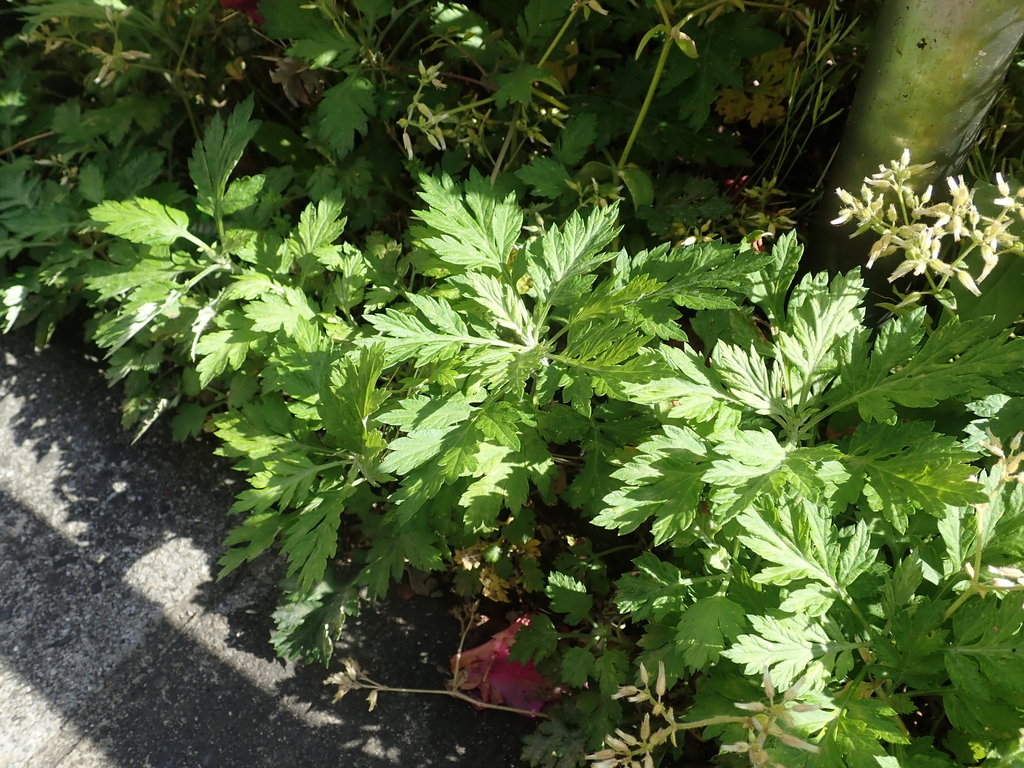
Artemisia princeps
- Origin
- Asia
- Part used
- See detailed notebook
- Tradition
- Traditional ethnobotany
In the countryside of East Asia, the mugwort Artemisia princeps — known as yomogi in Japan or ssuk in Korea — has been passed down through generations as a companion of the home and of health rituals. Its silvery leaves, dried or fresh, have nourished both peasant kitchens and the moxibustion practices of ancient practitioners.
Traditional uses
Traditional digestive support
The infused leaves were traditionally drunk after meals to ease digestive heaviness and promote intestinal comfort.
Comfort of the female cycle
In Korean and Japanese tradition, mugwort was used in steam baths or decoctions to accompany menstrual discomfort and warm the body.
Traditional skin care
Crushed fresh leaves or infused oil were used as a local application to soothe minor skin irritations and insect bites.
Support for moxibustion
Dried and rolled into sticks, mugwort burned near the skin (moxibustion) has for centuries accompanied traditional Chinese and Japanese practices of energetic rebalancing.
Before you use it
Not recommended during pregnancy for internal use, due to emmenagogue properties traditionally reported. Avoid during breastfeeding, in young children, and in those on medication without the advice of a healthcare professional. People allergic to plants of the Asteraceae family (daisy, ragweed, chrysanthemum) should be cautious. Prolonged or high-dose use is not recommended without guidance, as mugwort belongs to a family of plants containing compounds that warrant monitoring.
The detailed notebook
- Prepared as a paste or decoction
- Traditional duration of use
- Known contraindications
- Related species and their uses
Where to find it
Partner herbalists — available with the detailed notebook.
Sources
PubMed, Wikipedia