Artemisia tridentata
- Origin
- North America
- Part used
- Leaves, Root
- Tradition
- Traditional ethnobotany
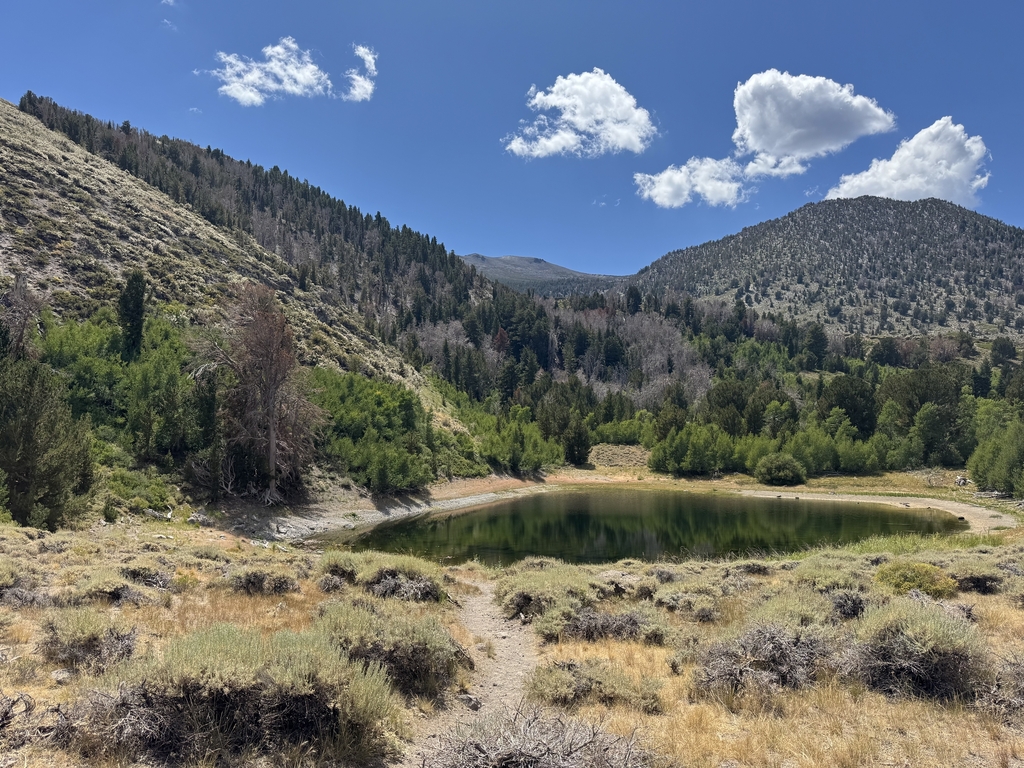
On the arid high plateaus of the American West, big sagebrush raises its gray-green bushes as far as the eye can see, scenting the dry air with its distinctive camphorous fragrance. A sacred plant for many First Nations peoples, it has always been a companion of purifications, remedies, and vigils. Its scent alone is enough to evoke the great desert spaces.
Traditional uses
A purification fumigation
Traditionally burned in a small bundle during purification ceremonies, big sagebrush was used to cleanse the air of a place or a person before important gatherings.
Vapors to clear the airways
The infused or heated leaves were traditionally breathed in as a vapor to relieve colds and congestion, according to uses reported among several Indigenous peoples.
Traditional skin wash
A leaf decoction was used externally to wash minor wounds or soothe certain skin irritation, in the traditional practices reported.
A bitter digestive infusion
At a very low dose and occasionally, a mild leaf infusion was sometimes traditionally used as a bitter to stimulate digestion.
Before you use it
A plant rich in aromatic compounds and thujone: never consume it for prolonged internal use, nor at a high dose. Strictly discouraged during pregnancy and breastfeeding because of its traditionally reported emmenagogue potential. Not suitable for children as an internal use. Can cause reactions in people sensitive to plants of the daisy family (cross-allergies with common mugwort, ragweed, etc.).
The detailed notebook
- Prepared as a paste or decoction
- Traditional duration of use
- Known contraindications
- Related species and their uses
Where to find it
Partner herbalists — available with the detailed notebook.
Sources
PFAF, Wikipedia