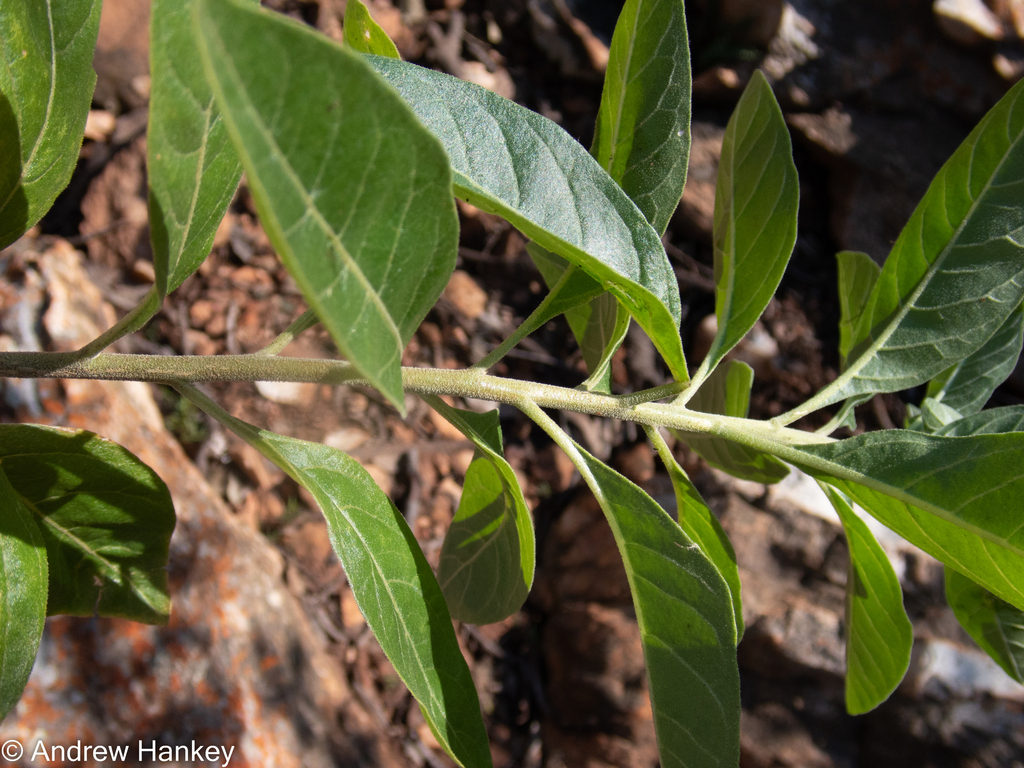
Ashwagandha
- Origin
- Asia
- Part used
- See detailed notebook
- Tradition
- Traditional ethnobotany
Ashwagandha, or "Indian ginseng," has held a place of choice in India's traditional Ayurvedic pharmacopoeia for millennia. Its Sanskrit name is thought to evoke "the smell of a horse," a reference to the vigor the ancients attributed to it. Vaidya sages classed it among the plants known as "rasayana," meant to support the body's overall vitality.
Traditional uses
Traditional support against nervous fatigue
In Ayurvedic tradition, the root was used to accompany periods of tension and fatigue linked to everyday stress, and to promote calmer sleep.
A tonic and fortifying plant
Considered a major rasayana, it was traditionally given to those weakened by illness, convalescence, or age, to restore strength and endurance.
Traditional use for hormonal imbalances
Ayurvedic practitioners turned to it to accompany certain hormonal disorders, particularly linked to the female cycle or the thyroid, though these uses now call for medical supervision.
Support for immune resilience
The root was thought to strengthen the body's general resistance to seasonal stresses, in a logic of prevention rather than treatment.
Before you use it
Not recommended during pregnancy and breastfeeding due to its potential action on hormones and the uterus. Avoid in cases of thyroid disease, as the plant may influence thyroid function. Possible interactions with sedative, immunosuppressant, or hormonal treatments: medical advice is essential if undergoing treatment. Use is not recommended in children without the supervision of a healthcare professional.
The detailed notebook
- Prepared as a paste or decoction
- Traditional duration of use
- Known contraindications
- Related species and their uses
Where to find it
Partner herbalists — available with the detailed notebook.
Sources
PFAF, Wikipedia