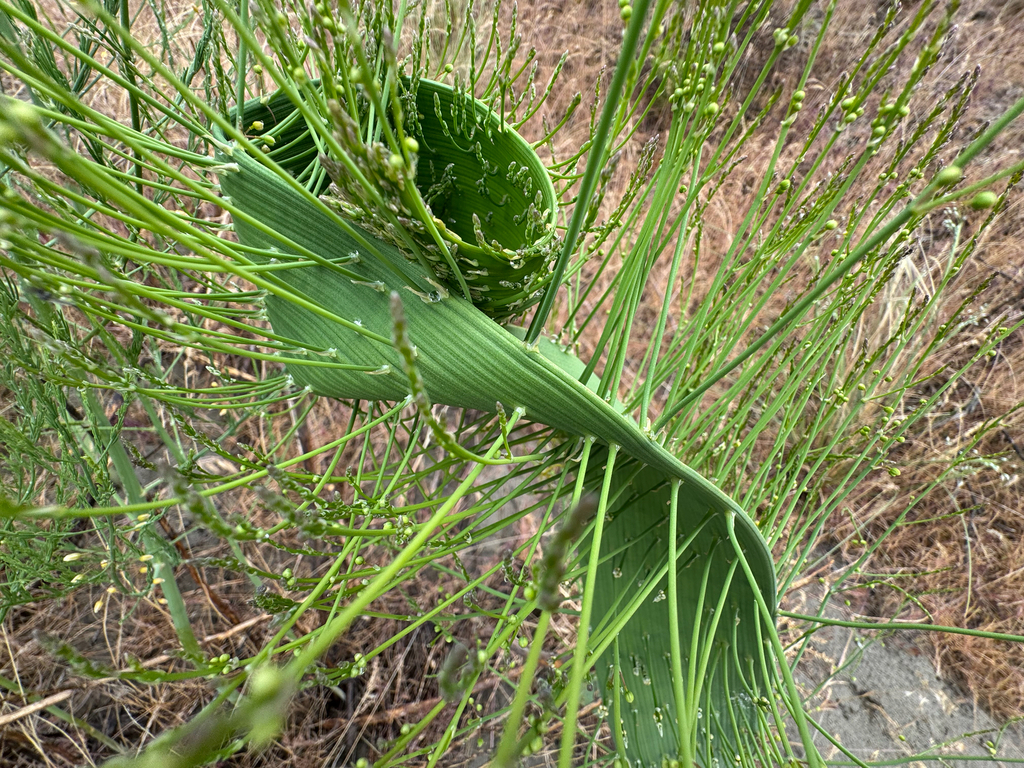
asparagus
- Origin
- Europe
- Part used
- See detailed notebook
- Tradition
- Traditional ethnobotany
Cultivated since antiquity on Mediterranean shores, asparagus was not only a prized dish on Roman tables: herbalists of old also credited it with cleansing and diuretic virtues. It was mainly the young spears and roots, dried or made into decoctions, that found a place in traditional European herbalist notebooks.
Traditional uses
Support for urinary elimination
Asparagus root was traditionally used as a decoction to promote water elimination and support the kidneys, as part of a spring drainage approach.
Spring cleansing tradition
Young shoots were among the plants of the 'spring cure,' reputed to help cleanse the body after winter.
Traditional use for rheumatism
The root decoction was sometimes used alongside cures aimed at relieving joint pain, in European folk tradition.
Traditional skin care
Some old herbalists mentioned the use of asparagus-based preparations to accompany minor skin conditions, alongside an internal cure.
Before you use it
Not recommended in cases of kidney insufficiency or stones, due to its purine content and pronounced diuretic effect. To be avoided in pregnant or breastfeeding women without medical advice, as traditional use is not sufficiently documented in this regard. Do not use for therapeutic purposes in children without prior consultation with a healthcare professional. The plant's red berries are toxic and must never be eaten.
The detailed notebook
- Prepared as a paste or decoction
- Traditional duration of use
- Known contraindications
- Related species and their uses
Where to find it
Partner herbalists — available with the detailed notebook.
Sources
PFAF