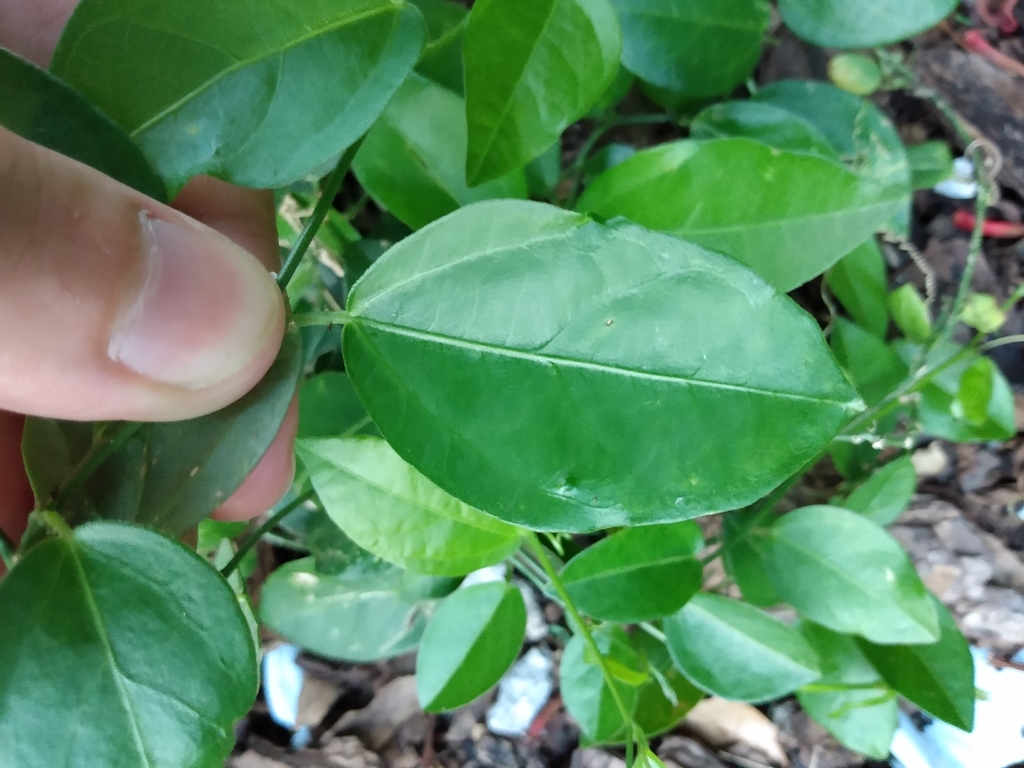
juniper berries
- Origin
- North America
- Part used
- See detailed notebook
- Tradition
- Traditional ethnobotany
From Native American tribes to the clearings of Europe, where juniper also grows wild, the juniper berry has always been held in esteem for its resinous scent and purifying properties. It appears both in ritual fumigations and in folk remedies meant to relieve everyday ailments.
Traditional uses
Support for digestion
The juniper berry was traditionally chewed or infused after a hearty meal, for its bitter, resinous taste reputed to stimulate the appetite and aid digestion.
Drainage and purification
Used as a decoction, it was considered by folk herbalists as support for healthy urinary function, for a short-term cleansing purpose.
Fumigations and inhalations
Native Americans burned juniper branches and berries as a fumigation to purify the air of dwellings, a practice later adopted to clear the airways.
A soothing external use
The essential oil or an oil infused with berries was applied in traditional rubs to tired joints and muscles.
Before you use it
Discouraged during pregnancy because of properties traditionally considered to stimulate the uterus. To be avoided in cases of kidney failure or kidney disease, as the plant is irritating to the kidneys at a high dose or with prolonged use. Do not use for more than a few consecutive days without the advice of a health professional. Consult a doctor or a qualified herbalist before any use, particularly if undergoing medical treatment.
The detailed notebook
- Prepared as a paste or decoction
- Traditional duration of use
- Known contraindications
- Related species and their uses
Where to find it
Partner herbalists — available with the detailed notebook.
Sources
PFAF, Wikipedia