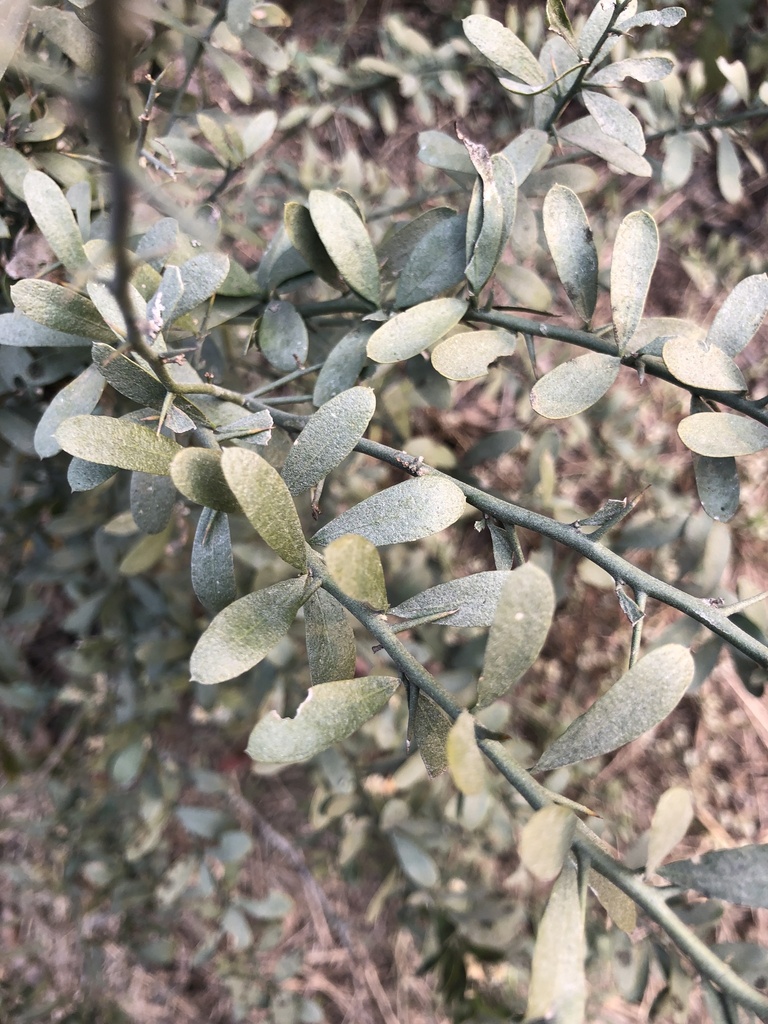
Balanites roxburghii
- Origin
- Asia
- Part used
- See detailed notebook
- Tradition
- Traditional ethnobotany
Balanites roxburghii, a thorny tree of Asia's dry regions, has long held a discreet but constant place in traditional Indian pharmacopeia. Its fruits, bark, and oily seeds were gathered by village healers for uses as varied as skin care and digestive comfort. In certain regions it was also credited with virtues useful to livestock as much as to people, so integrated was the tree into the daily life of arid countryside.
Traditional uses
Traditional digestive comfort
The bark and fruit were traditionally used as a decoction to soothe digestive discomfort and promote transit, according to folk uses of the Indian subcontinent.
Care for skin conditions
Oil extracted from the seeds was applied locally to the skin for its soothing virtues, particularly in the traditional treatment of minor wounds and irritation.
Relief of joint pain
In certain village traditions, crushed bark or a poultice made from it was used to relieve rheumatic and joint pain.
Ancestral vermifuge use
Fruits and seeds were sometimes traditionally used as a vermifuge, for both people and livestock, in rural areas of South Asia.
What to know before use
This plant contains saponins and other compounds whose potential toxicity is documented; internal use should only occur under the supervision of a qualified professional. Avoid any use in pregnant or breastfeeding women, in the absence of sufficient safety data. Do not give to children without prior medical advice. If undergoing medication treatment, seek advice from a health professional before any use, as interactions are not excluded.
The detailed notebook
- Prepared as a paste or decoction
- Traditional duration of use
- Known contraindications
- Related species and their uses
Where to find it
Partner herbalists — available with the detailed notebook.
Sources
PFAF