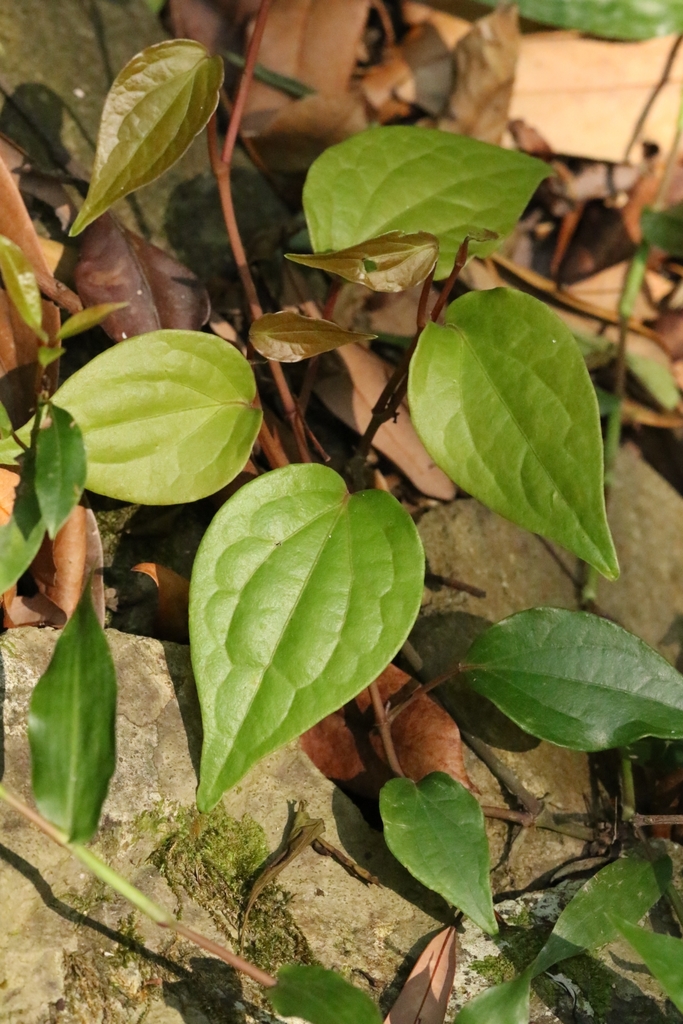
Betel
- Origin
- Asia
- Part used
- Leaves
- Tradition
- Traditional ethnobotany
In South and Southeast Asia, the betel leaf has for centuries accompanied welcoming rites, ceremonies, and daily life. Traditionally chewed with areca nut and a little lime, it holds a special place in folk pharmacopeia, somewhere between a social plant and a regional remedy.
Traditional uses
Traditional digestive aid
The betel leaf was chewed after meals in several Asian traditions, reputed to promote digestion and freshen the breath.
A traditional use against cough
In India and Southeast Asia, an infusion or a warmed leaf was sometimes applied or consumed to soothe coughing and mild respiratory congestion.
Traditional care for minor wounds
The fresh leaf, crushed or lightly warmed, was applied as a poultice on minor cuts and skin irritation, according to folk uses.
Freshening and oral hygiene
Chewed alone or in a preparation, the betel leaf was traditionally used for its aromatic properties and its role in everyday oral hygiene.
What to know before use
Prolonged use of betel, particularly combined with areca nut and lime (betel quid), is strongly discouraged: this combination is recognized as a risk factor for oral health and is classified as carcinogenic by health authorities. The leaf alone, used occasionally and externally, carries fewer risks, but any regular or prolonged use should be discussed with a health professional. To be avoided in pregnant or breastfeeding women, as well as children, in the absence of reassuring data. Do not self-medicate in cases of oral lesions, ongoing medication treatment, or risk factors (tobacco, alcohol).
The detailed notebook
- Prepared as a paste or decoction
- Traditional duration of use
- Known contraindications
- Related species and their uses
Where to find it
Partner herbalists — available with the detailed notebook.
Sources
PFAF, PubMed