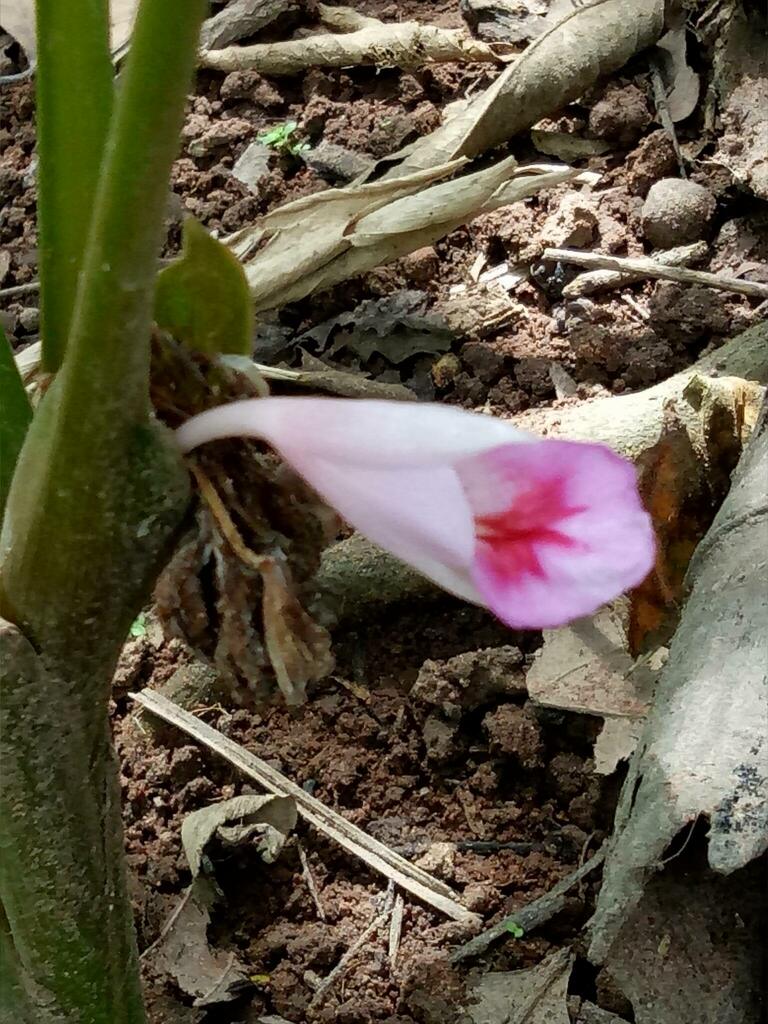
Boesenbergia rotunda
- Origin
- Asia
- Part used
- Leaves, Root
- Tradition
- Traditional ethnobotany
In the gardens and kitchens of Southeast Asia, Boesenbergia rotunda, sometimes called "Chinese ginger" or "fingerroot," holds a discreet but ancient place. Its gnarled rhizomes, cousins of turmeric and galangal, have fed both the cooking pot and the remedies of traditional Thai and Indonesian herbalists. This entry gathers the uses passed down from generation to generation, without claiming any modern medical validation.
Traditional uses
Digestive support
The root was traditionally chewed or infused to soothe bloating, post-meal heaviness, and minor digestive troubles, in the manner of other rhizomes in the ginger family.
Comfort for the respiratory tract
In Thailand and Malaysia, rhizome decoctions were prepared to help with episodes of coughing and colds, according to an ancient folk use.
Traditional skin care
Crushed leaves or grated root were used as a poultice to soothe certain skin irritations and minor superficial wounds.
A traditional tonic root
Considered fortifying, the root was used in preparations meant to support energy and vitality, particularly in men, according to Thai folk pharmacopeia.
What to know before use
No reliable data establishes the safety of this plant during pregnancy or breastfeeding: avoid as a precaution in these situations. Traditional use still poorly documented by research: seek the advice of a health professional before any prolonged or therapeutic use. Interactions with certain medications cannot be excluded; caution if undergoing treatment. Not recommended for young children in the absence of sufficient data on appropriate dosing.
The detailed notebook
- Prepared as a paste or decoction
- Traditional duration of use
- Known contraindications
- Related species and their uses
Where to find it
Partner herbalists — available with the detailed notebook.
Sources
PFAF, Wikipedia