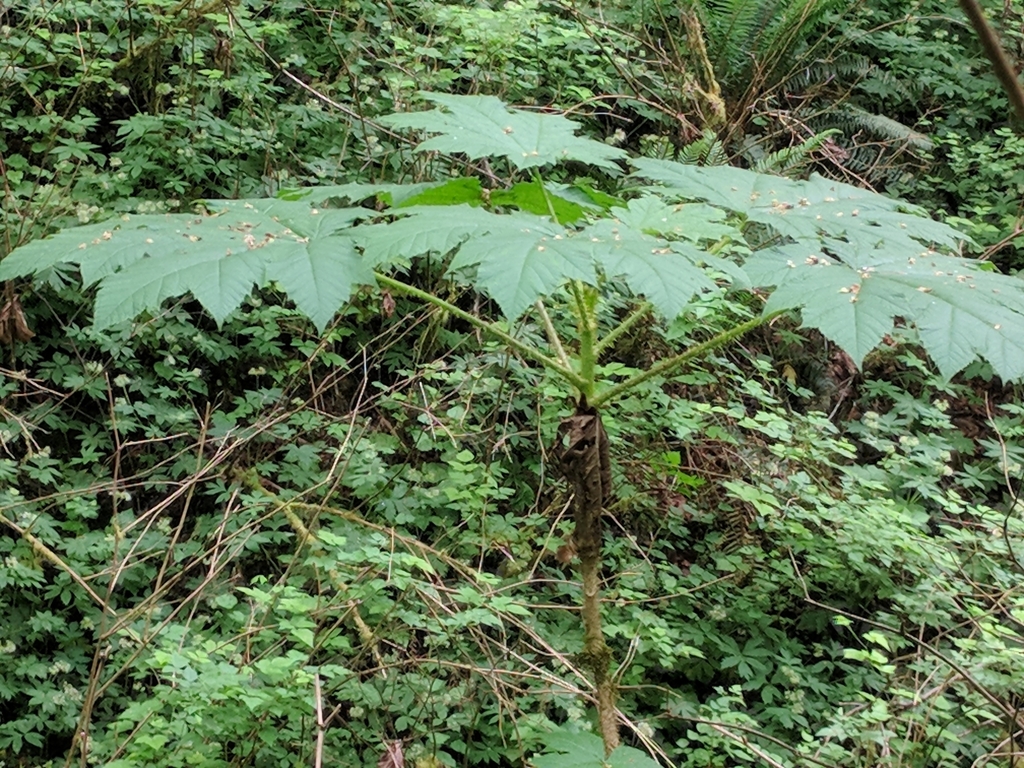
devil's club
- Origin
- North America
- Part used
- See detailed notebook
- Tradition
- Traditional ethnobotany
Devil's club, which the peoples of the Pacific coastal forests sometimes called by that very name because its spine-covered stems inspired such respect, held a prized place in the pharmacopoeia of the First Nations of North America. It was considered both a remedy for the body and a protective plant, used with as much caution as reverence.
Traditional uses
Traditional relief for pain
The inner bark, prepared as a decoction or a poultice, was traditionally used by Indigenous healers to ease joint and muscle pain.
Respiratory ailments
The use of bark decoctions is reported to help with colds, coughing, and various throat ailments in the traditions of the Pacific coastal peoples.
Digestive trouble and fevers
Some traditions mention the bark as a remedy to support digestion and cope with feverish states, often in small amounts.
Traditional skin care
A bark poultice was sometimes applied locally to wounds, boils, or skin irritation according to orally transmitted uses.
Before you use it
The fresh bark and spines are irritating to the skin and mucous membranes; handling them requires gloves and great caution. This plant is not recommended for pregnant or breastfeeding women, for lack of sufficient data on its safety. Prolonged or high-dose internal use is not documented as safe: the advice of a health professional or an experienced herbalist is essential before any use. Interactions with ongoing medical treatments have not been thoroughly studied; caution is called for in cases of chronic illness.
The detailed notebook
- Prepared as a paste or decoction
- Traditional duration of use
- Known contraindications
- Related species and their uses
Where to find it
Partner herbalists — available with the detailed notebook.
Sources
PFAF