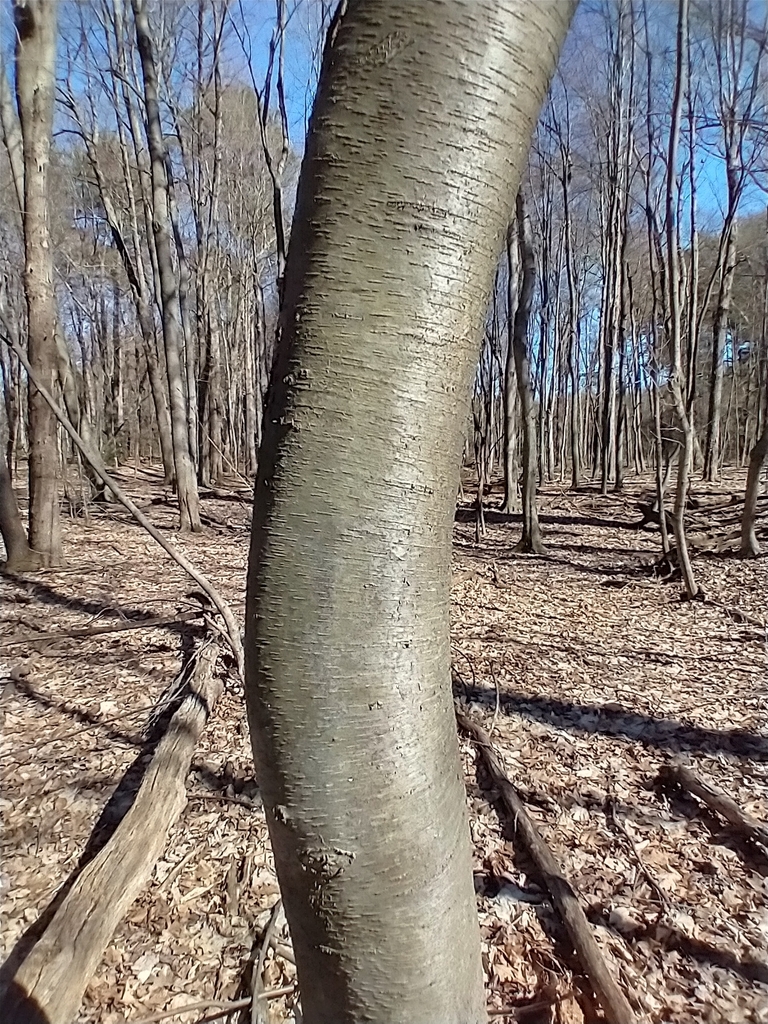
sweet birch
- Origin
- North America
- Part used
- Bark
- Tradition
- Traditional ethnobotany
Sweet birch, a tree of the forests of eastern North America, was well known to Indigenous peoples and early settlers for its aromatic bark with a wintergreen scent. It once yielded a sweet sap and a bark used in rubs and teas, a heritage passed down in folk herbalist notebooks.
Traditional uses
Rubs for pain and stiffness
The bark, rich in aspirin-like compounds, was traditionally used in external applications to relieve sore joints and muscles.
A traditional digestive tea
A mild bark decoction was sometimes drunk to help with digestion, in North American folk tradition.
A traditional fever remedy
By analogy with willow, sweet birch bark was used empirically during feverish states or aches.
Traditional skin care
A bark oil or decoction was applied externally to soothe certain mild skin irritation.
Before you use it
Contains natural salicylates: to be avoided in cases of aspirin allergy, clotting disorders, before surgery, or during pregnancy and breastfeeding. Never give to children, because of the risk of Reye's syndrome associated with salicylates. The essential oil extracted from the bark is highly concentrated in methyl salicylate and can be toxic even in small amounts internally or as undiluted skin contact; its use is discouraged without supervision by a qualified professional. Seek the advice of a health professional before any internal use, particularly if undergoing anticoagulant or anti-inflammatory treatment.
The detailed notebook
- Prepared as a paste or decoction
- Traditional duration of use
- Known contraindications
- Related species and their uses
Where to find it
Partner herbalists — available with the detailed notebook.
Sources
PFAF, Wikipedia