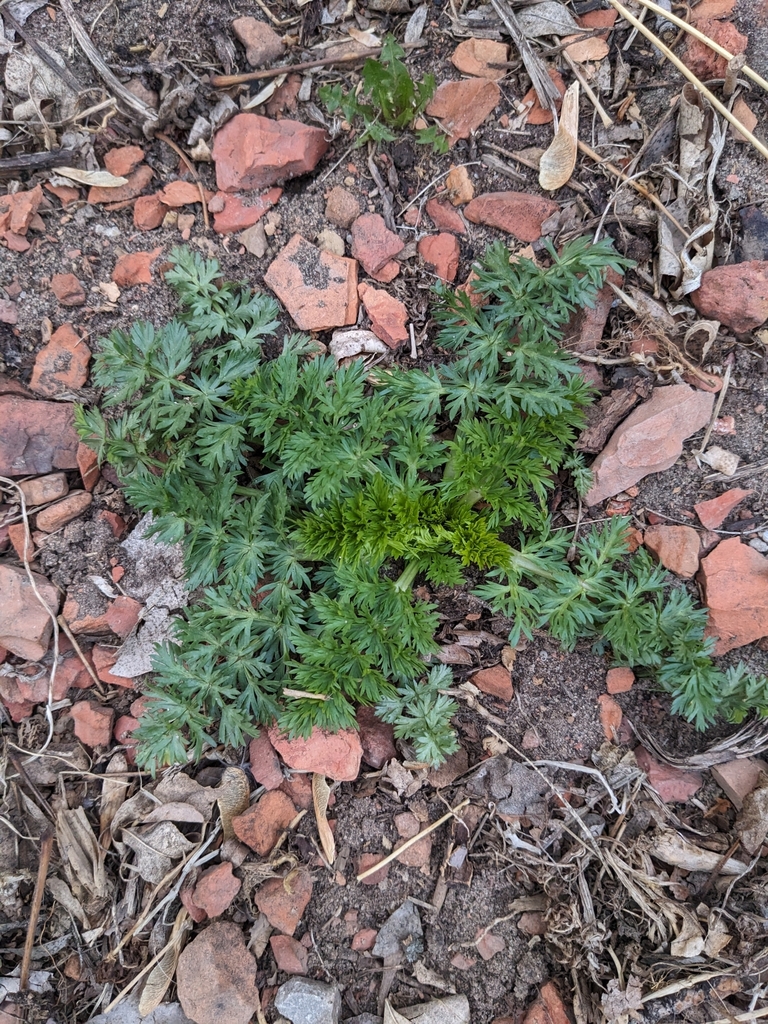
Caraway
- Origin
- Europe
- Part used
- See detailed notebook
- Tradition
- Traditional ethnobotany
In the gardens and fields of Europe, caraway has, since antiquity, accompanied both the table and the herbalist's medicine cabinet. Its aromatic seeds, similar in appearance to cumin but quite distinct in flavor, season breads as readily as traditional digestive teas. It appears in old Germanic and Scandinavian herbals as a familiar plant of everyday life.
Traditional uses
Digestive support
Caraway seeds are traditionally chewed or brewed as a tea after meals to ease feelings of heaviness and promote calm digestion.
Comfort in case of bloating
Caraway has long been reputed as a carminative, used to relieve bloating and flatulence, including in children in a very diluted form.
Support for lactation
In Northern Europe, an infusion of caraway seeds traditionally accompanies nursing mothers, sometimes combined with fennel or anise, to support lactation.
Soothing the respiratory tract
A light decoction of the seeds was once used to soothe the throat and help with minor seasonal respiratory irritation.
Before you use it
Do not exceed usual culinary doses during pregnancy, as a precaution, given its traditional use linked to women's health. Not advised in concentrated form (essential oil) for young children without the advice of a healthcare professional. If taking medication or suffering from a chronic digestive condition, seek advice from a pharmacist or doctor before regular use. Caraway essential oil should never be ingested without the supervision of a qualified professional.
The detailed notebook
- Prepared as a paste or decoction
- Traditional duration of use
- Known contraindications
- Related species and their uses
Where to find it
Partner herbalists — available with the detailed notebook.
Sources
PFAF, PubMed