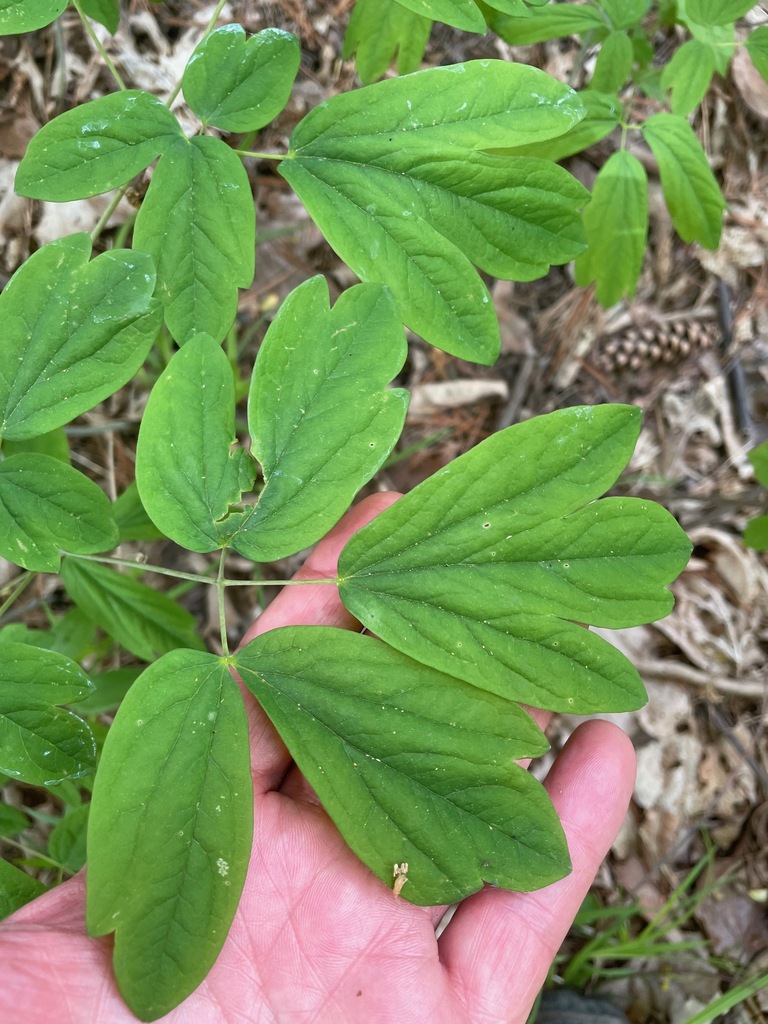
Caulophyllum
- Origin
- North America
- Part used
- Leaves, Seeds/fruits, Root
- Tradition
- Traditional ethnobotany
Caulophyllum, sometimes known by an old, now-outdated vernacular name among Algonquian and Iroquois tribes, held a quiet but respected place in the pharmacopoeia of North American women. Settlers and eclectic physicians of the nineteenth century made it one of the emblematic plants for supporting motherhood, passed down from healer to healer across the forests of the eastern continent.
Traditional uses
Traditional support in late pregnancy
The root was traditionally used by Native American midwives in the final weeks of pregnancy, reputed to prepare the body for childbirth. This historical use remains strictly reserved for medical or midwife supervision.
Reported menstrual trouble
It was traditionally credited with a soothing action on menstrual pain and irregularity, in keeping with the so-called "emmenagogue" uses of folk medicine.
Old rheumatic pain
Some ethnobotanical sources report a use as a decoction for joint and rheumatic pain, particularly among the peoples of the Great Lakes.
An occasional use as a bitter tonic
The root was sometimes taken in very small amounts as a traditional digestive bitter, although this use remained secondary to its gynecological ones.
Before you use it
A plant to be handled with extreme caution: it contains alkaloids and glycosides reputed to act on the uterus and cardiovascular system. Formally discouraged during pregnancy outside the supervision of a midwife or doctor, because of its traditional use tied to labor. Contraindicated in children, and to be avoided in cases of heart disease or ongoing treatment, because of possible interactions. Never use the seeds or root without qualified professional advice in herbal medicine or clinical herbalism.
The detailed notebook
- Prepared as a paste or decoction
- Traditional duration of use
- Known contraindications
- Related species and their uses
Where to find it
Partner herbalists — available with the detailed notebook.
Sources
PFAF, Wikipedia