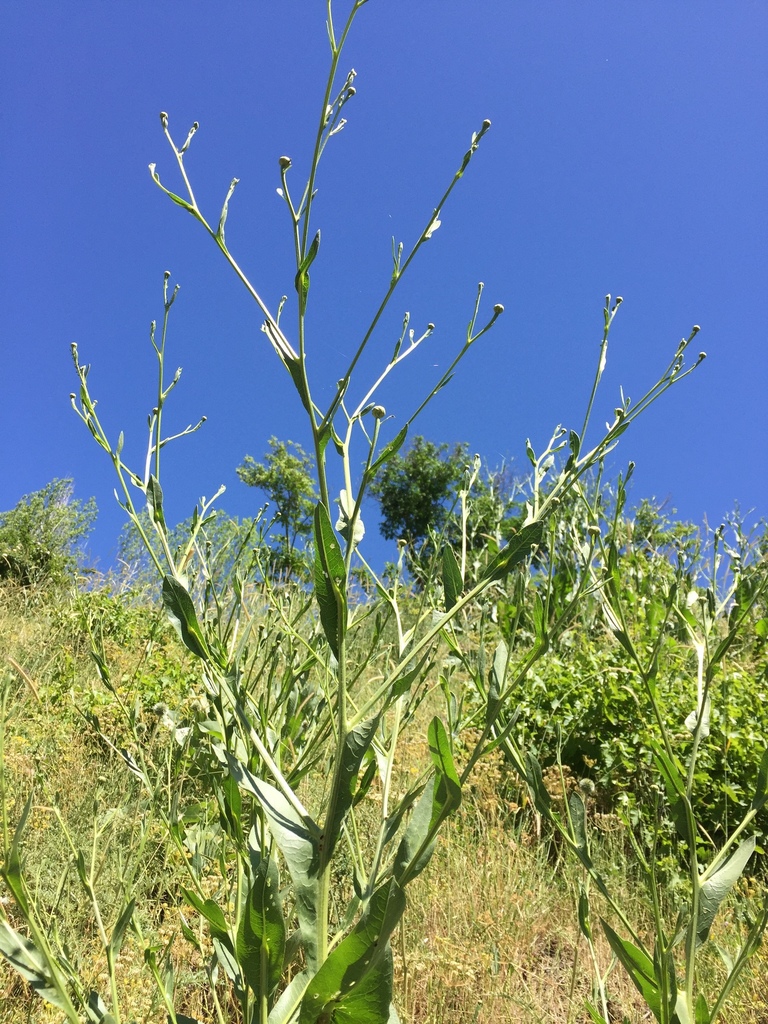
Centaurea behen
- Origin
- Asia
- Part used
- Leaves, Root, Stem
- Tradition
- Traditional ethnobotany
White behen, a discreet cousin of the knapweeds, was once mentioned by traditional Persian and Arab herbalists among the tonic plants of the East. Its very name, derived from the Arabic "bahman," evokes the lists of medicinal herbs that scribes and apothecaries copied along the Silk Road. Little studied today, it remains a botanical curiosity of which tradition has preserved only scattered echoes.
Traditional uses
A traditional tonic root
The root of Centaurea behen was once counted, in old Persian and Arab treatises, among the tonic remedies intended to support convalescents and weakened bodies.
Ancient digestive support
Certain ancient sources report a use of the plant to soothe mild digestive troubles, in the manner of other bitter knapweeds used as a traditional aperitif.
Use against fevers
Medieval Eastern tradition sometimes associated white behen with plants used to help with feverish states, though this use is not reliably documented today.
What to know before use
Traditional use very poorly documented by modern sources: caution requires consulting a health professional before any use. Avoid in pregnant or breastfeeding women, for lack of sufficient safety data. Do not give to children without medical advice. In case of doubt about botanical identification, abstain: several knapweeds resemble one another and some are poorly characterized.
The detailed notebook
- Prepared as a paste or decoction
- Traditional duration of use
- Known contraindications
- Related species and their uses
Where to find it
Partner herbalists — available with the detailed notebook.
Sources
PFAF, PubMed, Wikipedia