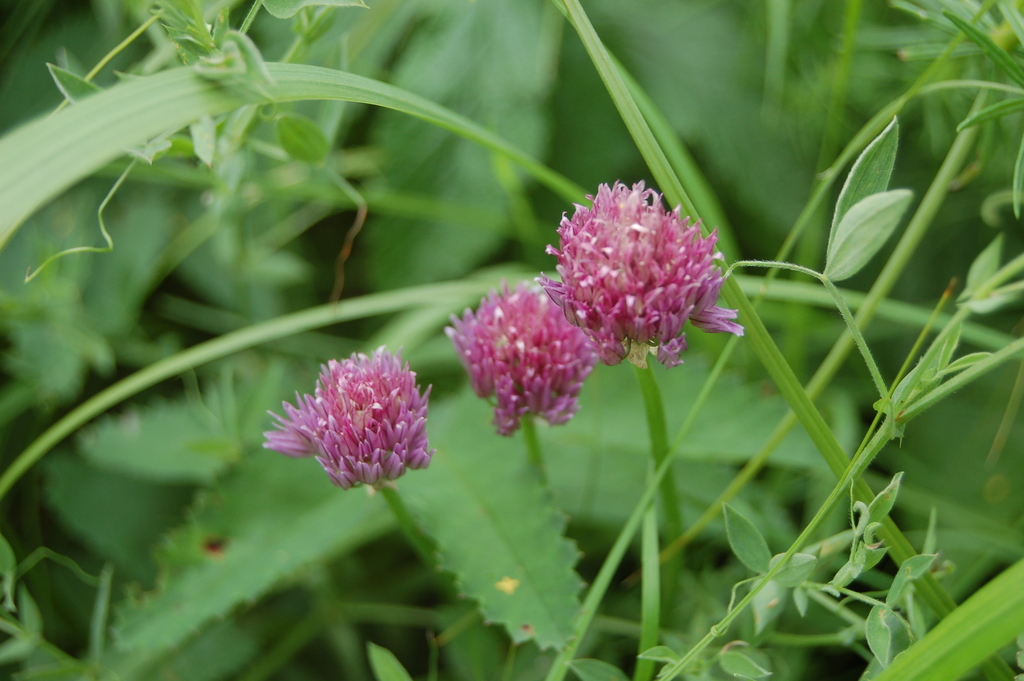
Chives
- Origin
- Europe
- Part used
- See detailed notebook
- Tradition
- Traditional ethnobotany
A discreet cousin of garlic and onion, chives have grown for centuries in Europe's gardens and vegetable patches, gracing herb beds as much as folk remedies. Our forebears picked them within easy reach, beneath the kitchen window, as much to season dishes as to support everyday health.
Traditional uses
Digestive support
Traditionally eaten fresh with meals, chives were reputed to ease digestion and stimulate the appetite, like other alliums.
A tonic for the blood and vessels
Like garlic or onion, it was considered by folk herbalists to be an ally for circulation and a general tonic, eaten regularly in cooking.
An everyday dietary staple
Rich in vitamin C and sulfur compounds, it was part of the everyday rural diet to help prevent minor winter ailments and support the body's natural defenses.
Used as a soothing compress
The fresh juice of crushed chives was sometimes applied as a light poultice to minor skin irritations or insect bites, in rural traditions.
Before you use it
Excessive consumption can cause mild digestive upset (bloating, gastric irritation) in sensitive individuals. Like other alliums, chives are not recommended in large amounts for pets (dogs, cats). If on anticoagulant treatment, seek the advice of a healthcare professional before regular, significant therapeutic use.
The detailed notebook
- Prepared as a paste or decoction
- Traditional duration of use
- Known contraindications
- Related species and their uses
Where to find it
Partner herbalists — available with the detailed notebook.
Sources
PFAF