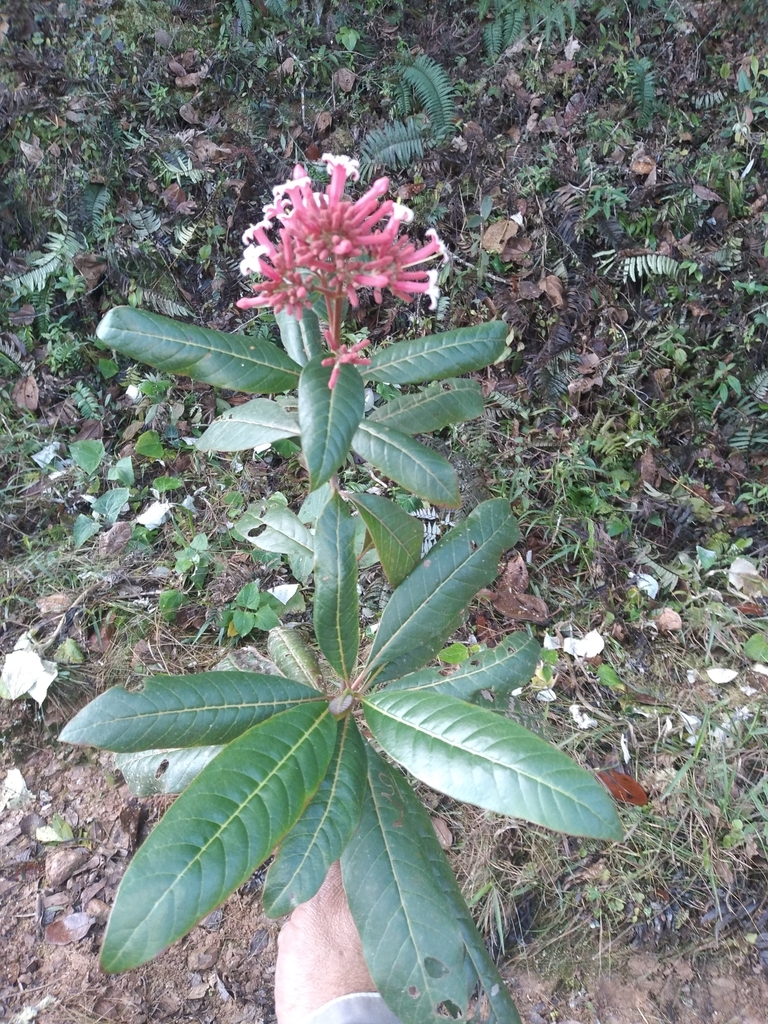
Cinchona calisaya
- Origin
- South America
- Part used
- See detailed notebook
- Tradition
- Traditional ethnobotany
Native to the Andean forests of Peru and Bolivia, calisaya cinchona was revealed to Europeans in the seventeenth century thanks to the knowledge of indigenous peoples who used its bitter bark against fevers. Its bark, rich in alkaloids including quinine, earned this tree worldwide renown and long stood as an essential remedy in Western pharmacopoeias.
Traditional uses
A traditional bitter tonic
Cinchona bark was traditionally used as a bitter tonic to support the body during general fatigue and convalescence.
An appetite stimulant
Used in bitter preparations before meals, the bark was reputed to stimulate appetite and aid digestion, following a common practice with bitter plants in old herbal medicine.
A historical use against fevers
Historically, cinchona was Europe's most famous remedy against intermittent fevers, before its alkaloids were isolated and studied by modern medicine.
Traditional circulatory support
In some traditions, the bark was also associated with supporting peripheral circulation, particularly in the form of tonic preparations.
What to know before use
A plant high in alkaloids (including quinine): never exceed traditional doses without the advice of a qualified health professional. Contraindicated during pregnancy and breastfeeding due to its potential effect on the uterus and its toxicity. Possible interactions with many medications (anticoagulants, antiarrhythmics, digoxin): seek the advice of a doctor or pharmacist before any use. An overdose can cause hearing, visual, and cardiac disorders (cinchonism); to be avoided in children and frail individuals.
The detailed notebook
- Prepared as a paste or decoction
- Traditional duration of use
- Known contraindications
- Related species and their uses
Where to find it
Partner herbalists — available with the detailed notebook.
Sources
PFAF, PubMed