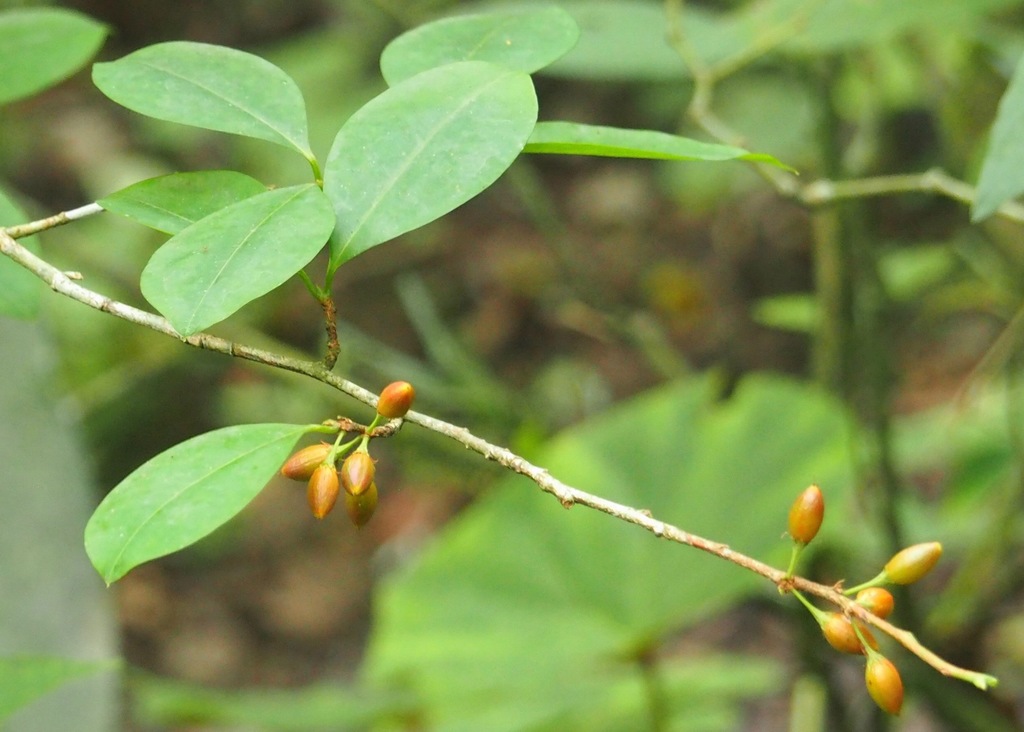
Coca
- Origin
- South America
- Part used
- See detailed notebook
- Tradition
- Traditional ethnobotany
In the Andean highlands, the coca leaf has accompanied the daily life of the Quechua and Aymara peoples for millennia, long before its name became associated with the derivatives that gave it a controversial reputation. Chewed, infused, or offered in ritual, it held a central place in endurance, sharing, and the sacred. Spanish colonial chronicles already noted, with astonishment, the constant use the Andean peoples made of it.
Traditional uses
Relief of altitude sickness
Traditionally chewed or infused by Andean populations to ease the effects of altitude (soroche) and support endurance during prolonged physical work.
Aid to digestion
The leaf infusion was traditionally drunk after meals to soothe stomach aches and aid digestion at altitude.
Support against fatigue
Chewed with a pinch of lime or ash (llipta), the leaf was used to stave off hunger, thirst, and fatigue during long journeys or farm work.
Offering and social bond
The coca leaf held a sacred role in Andean ceremonies, offered to the Pachamama and shared as a symbol of hospitality and community bonds.
What to know before use
A plant classified as a controlled substance in many countries, including France: its possession, cultivation, and use are strictly prohibited outside any legal framework. It contains alkaloids (including cocaine in its natural state) that can cause dependence and notable cardiovascular effects; any use must be ruled out without strict medical and legal supervision. Not recommended in cases of pregnancy, breastfeeding, heart conditions, high blood pressure, or anxiety disorders. Never combine with other stimulant substances or medications without the advice of a health professional.
The detailed notebook
- Prepared as a paste or decoction
- Traditional duration of use
- Known contraindications
- Related species and their uses
Where to find it
Partner herbalists — available with the detailed notebook.
Sources
Wikipedia