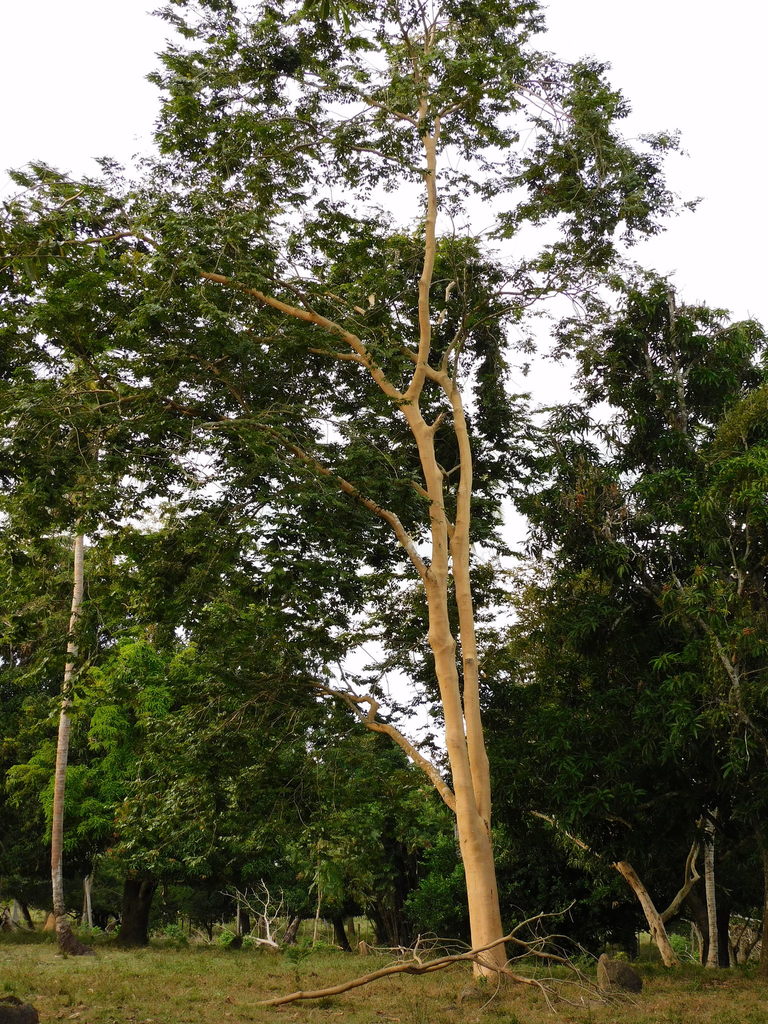
Copaiba
- Origin
- South America
- Part used
- See detailed notebook
- Tradition
- Traditional ethnobotany
Copaiba, a great tree of the Amazon forests and the Rio Negro basin, has been known for centuries to indigenous peoples for the balsamic resin that flows from its trunk. As early as the seventeenth century, the first European chroniclers of the New World reported the use of this oleoresin by local healers to treat wounds and ease pain. This precious and rare balm held a prized place in the traditional South American pharmacopoeia.
Traditional uses
Care for wounds and scrapes
The resin was traditionally applied to wounds, cuts, and skin injuries to promote cleansing and healing.
Relief of joint pain
Used in friction, copaiba oleoresin traditionally served to relieve the muscle and joint pain of forest workers.
Support for the respiratory tract
A few drops of resin were sometimes taken internally in local traditions to accompany conditions of the bronchi and throat.
Traditional urinary tract use
The resin was long used in certain South American folk traditions to support urinary comfort, in the manner of the copaiba balsam used in Europe in the nineteenth century.
What to know before use
Never use internally without the advice of a health professional, owing to the potent nature of the resin and the risk of digestive irritation. Not recommended for pregnant or breastfeeding women, for lack of sufficient data on its safety. A preliminary skin test is recommended before any topical application, as the resin can cause allergic reactions in sensitive skin. Avoid prolonged use without the advice of a trained therapist, and do not give it to young children.
The detailed notebook
- Prepared as a paste or decoction
- Traditional duration of use
- Known contraindications
- Related species and their uses
Where to find it
Partner herbalists — available with the detailed notebook.
Sources
PFAF