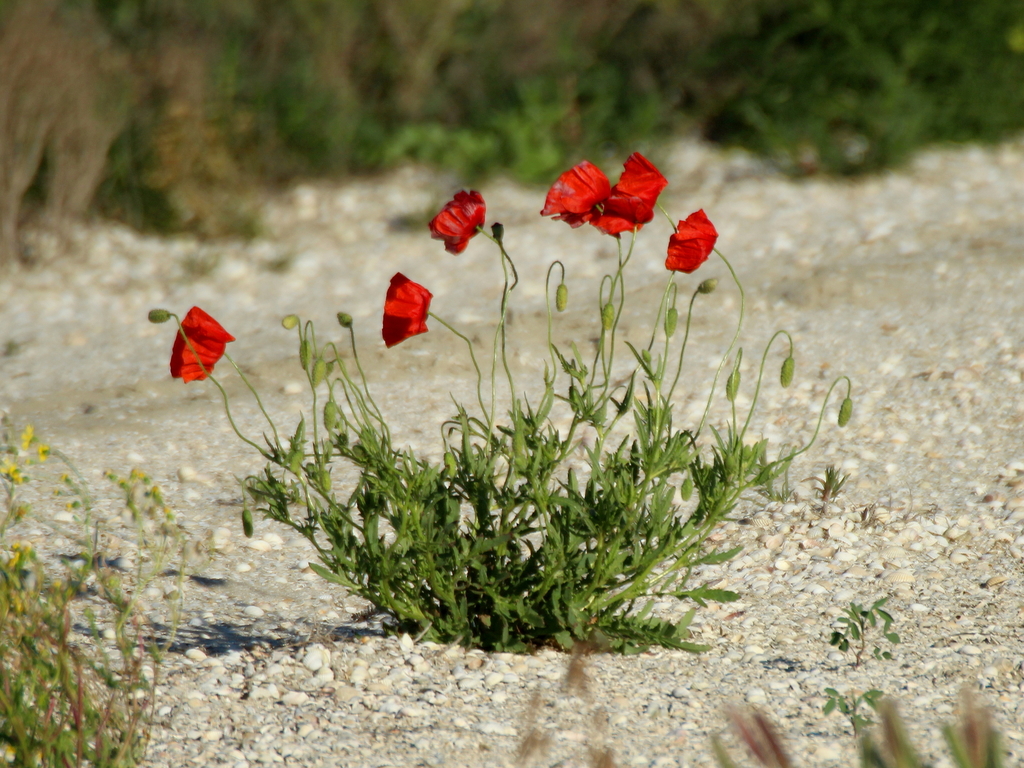
Corn Poppy
- Origin
- Europe
- Part used
- Flowers, Seeds/fruits
- Tradition
- Traditional ethnobotany
Amid the wheat fields of Europe, the corn poppy raises its silky red petals as soon as fine weather arrives. A gentler cousin of the opium poppy, it was long gathered by our forebears to soothe stubborn coughs and encourage peaceful nights. Herbalists of old sometimes nicknamed it the ‘field poppy,’ a mark of its calming reputation.
Traditional uses
Traditional aid for falling asleep
Dried petals were infused in the evening for their mildly sedative reputation, helping to bring about calmer sleep without the intensity of the opium poppy.
Soothing for the airways
Corn poppy was traditionally used as a tea to soothe dry, irritating coughs, particularly in children, thanks to its mucilaginous gentleness.
Mild relief of nervous tension
Used empirically to calm restlessness and minor aches linked to nervousness, without the powerful analgesic effect of its poppy cousins.
Traditional use as a compress
A decoction of petals was sometimes applied as a compress to tired eyelids or irritated skin, according to folk tradition.
Before you use it
Not to be confused with the opium poppy (Papaver somniferum), which is far richer in potent alkaloids; corn poppy contains only small amounts, but caution is still warranted. Not recommended for pregnant or breastfeeding women, or for young children, without a healthcare professional's advice. Avoid combining with sedatives, sleep aids, or central nervous system depressants. Only harvest clearly identified petals, avoiding any confusion with other wild poppies.
The detailed notebook
- Prepared as a paste or decoction
- Traditional duration of use
- Known contraindications
- Related species and their uses
Where to find it
Partner herbalists — available with the detailed notebook.
Sources
PubMed, Wikipedia