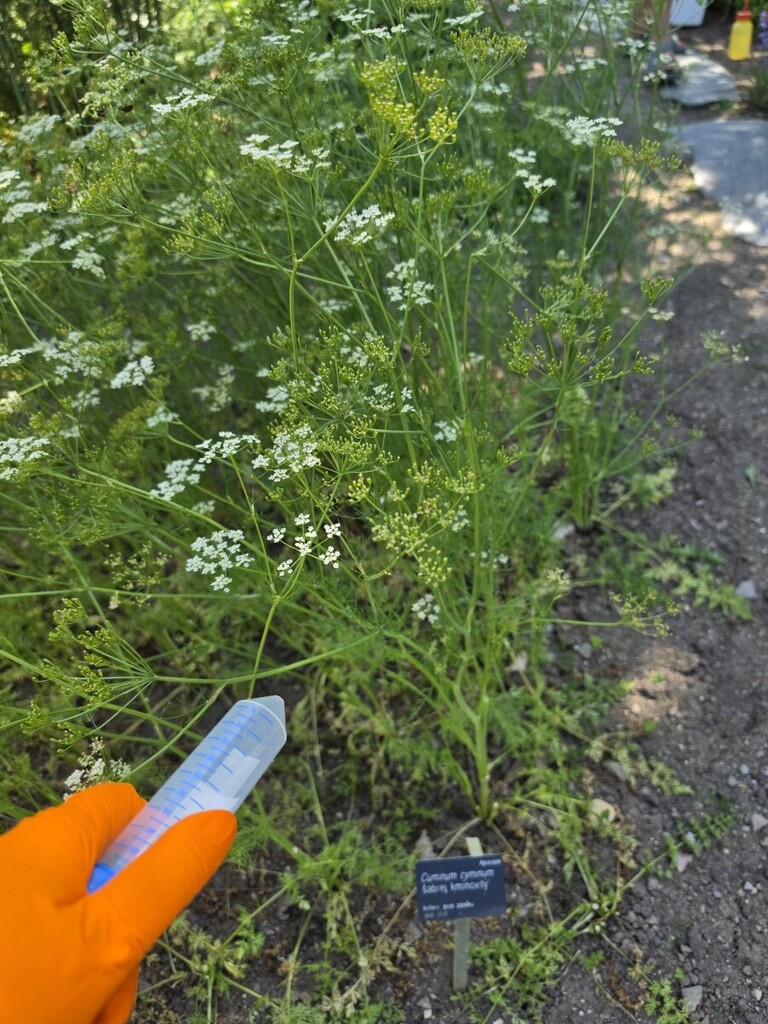
Cumin
- Origin
- Middle East
- Part used
- See detailed notebook
- Tradition
- Traditional ethnobotany
Cumin has accompanied the kitchens and apothecaries of the Middle East since ancient Egyptian times, where its seeds were already found in tombs. Both spice and remedy, it was long considered by the ancients an ally of the hearth and of digestion, prized by caravans as much as family kitchens.
Traditional uses
Supporting digestion
Cumin seeds were traditionally chewed or infused after meals to relieve digestive heaviness and calm bloating.
Reducing flatulence
Folk use credits cumin with carminative virtues, long used to relieve intestinal gas and abdominal discomfort.
Soothing the airways
As a decoction or infusion, cumin was traditionally used to soothe the throat and accompany mild chills.
Supporting lactation
In several Middle Eastern traditions, cumin seeds were eaten by new mothers to encourage milk production.
Before you use it
Eaten in ordinary culinary amounts, cumin is generally well tolerated; more concentrated therapeutic uses should remain occasional. Pregnant women should limit cumin to everyday food amounts and avoid concentrated preparations, for lack of sufficient data on prolonged use. Cumin may interact with certain treatments (notably anticoagulants or blood-sugar-lowering drugs); the advice of a health professional is recommended if undergoing treatment. A sensitivity or allergy to seeds of the Apiaceae family (parsley, carrot, dill) may also appear with cumin.
The detailed notebook
- Prepared as a paste or decoction
- Traditional duration of use
- Known contraindications
- Related species and their uses
Where to find it
Partner herbalists — available with the detailed notebook.
Sources
PFAF