Cyclopia
- Origin
- Africa
- Part used
- See detailed notebook
- Tradition
- Traditional ethnobotany
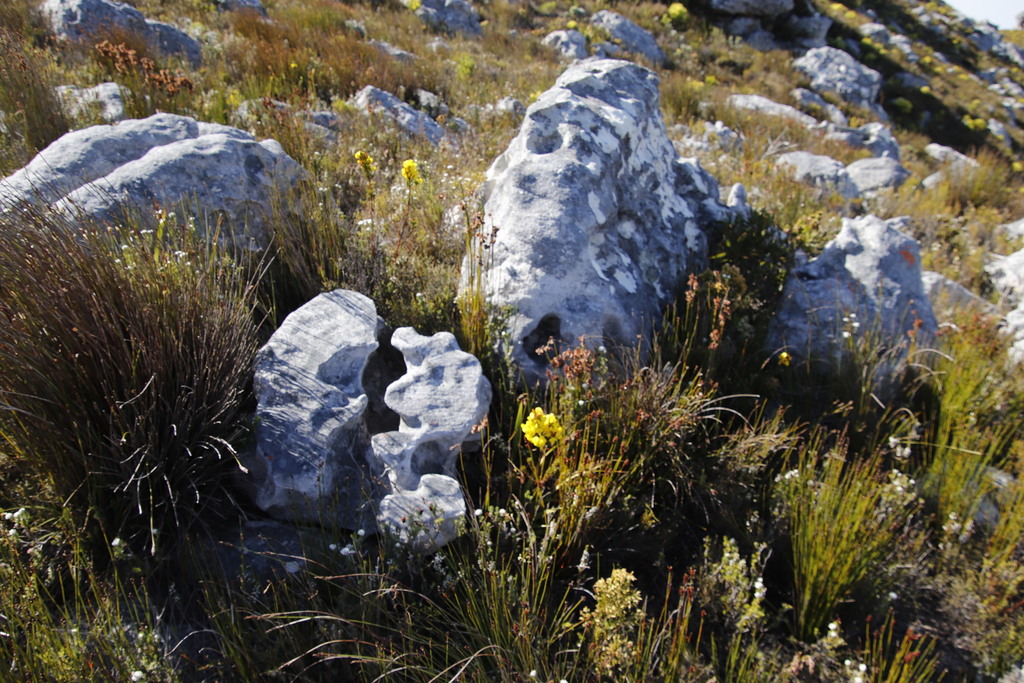
Growing on the fynbos slopes of the Cape, in South Africa, Cyclopia — which colonists named "Cape tea" or honeybush for its honey-like scent once dried — was long the drink of shepherds and rural families. The San people and Boer settlers were already infusing it well before European botany described it, making it a daily companion for long days outdoors.
Traditional uses
Digestive comfort after meals
A honeybush infusion traditionally accompanied the end of meals, reputed to soothe sensitive stomachs and aid digestion.
Soothing evening drink
Caffeine-free, this mild, sweet tea was readily drunk in the evening by Cape families, as a comforting alternative to black tea.
Support during colds
Hot Cyclopia infusion was credited with soothing the throat and helping with mild flu-like states, drunk very hot and sometimes mixed with honey.
Traditional skin care use
Some rural communities used a cooled decoction as a lotion, applied to the skin to soothe irritation and superficial redness.
What to know before use
Although consumed daily as a tea, excessive or prolonged use should always remain moderate, as with any herbal drink. Pregnant or breastfeeding women are advised to seek the advice of a health professional before regular consumption, as data remain limited. In case of ongoing medication, particularly hormonal, medical advice is recommended as a precaution.
The detailed notebook
- Prepared as a paste or decoction
- Traditional duration of use
- Known contraindications
- Related species and their uses
Where to find it
Partner herbalists — available with the detailed notebook.
Sources
PFAF