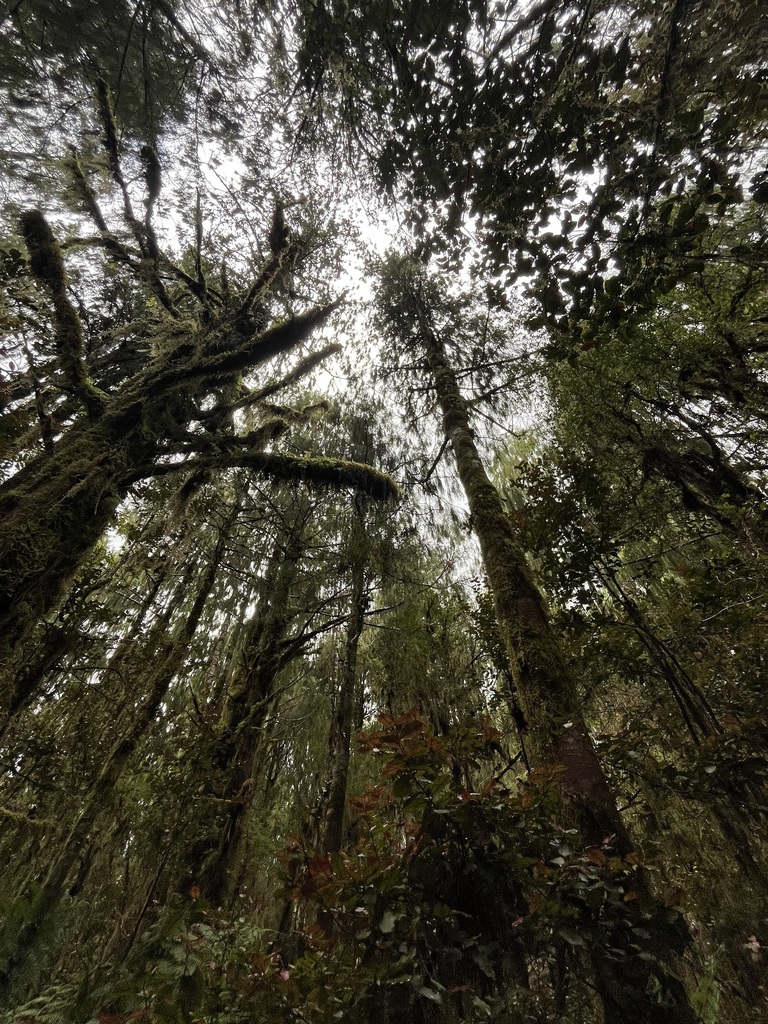
Dacrydium cupressinum
- Origin
- Oceania
- Part used
- Leaves, Seeds/fruits, Root
- Tradition
- Traditional ethnobotany
Rimu, a majestic tree of New Zealand's rainforests, held a particular place in Maori pharmacopoeia and daily life. Its reddish wood, resin, and evergreen foliage made it a tree both useful and venerated, associated with remedies of the land and traditional household uses.
Traditional uses
Traditional care for skin ailments
Rimu resin and gum were traditionally applied to the skin to soothe certain irritations or minor wounds, according to uses reported among the Maori.
Traditional use as a decoction
The bark and young shoots are said to have been used as a decoction in certain traditional practices to accompany digestive comfort, though this use is poorly documented in written sources.
Traditional vapors and fumigations
The resinous foliage was sometimes burned or used as a fumigation in traditional dwellings, a use linked more to household practices than to a targeted remedy.
An occasional food resource
The fleshy fruit (receptacles) of rimu were occasionally eaten by local populations, often during times of scarcity or as a seasonal dietary supplement.
Before you use it
This traditional use is poorly documented by modern scientific research: caution is warranted, particularly for any prolonged application or internal use. Certain parts of the plant (seeds, resin) may present toxicity if consumed in large quantities; do not act as your own practitioner without the advice of a qualified professional. Avoid any use during pregnancy or breastfeeding, and in young children, for lack of sufficient data. Do not confuse with other similar-looking conifers; reliable botanical identification is essential before any harvest.
The detailed notebook
- Prepared as a paste or decoction
- Traditional duration of use
- Known contraindications
- Related species and their uses
Where to find it
Partner herbalists — available with the detailed notebook.
Sources
Wikipedia