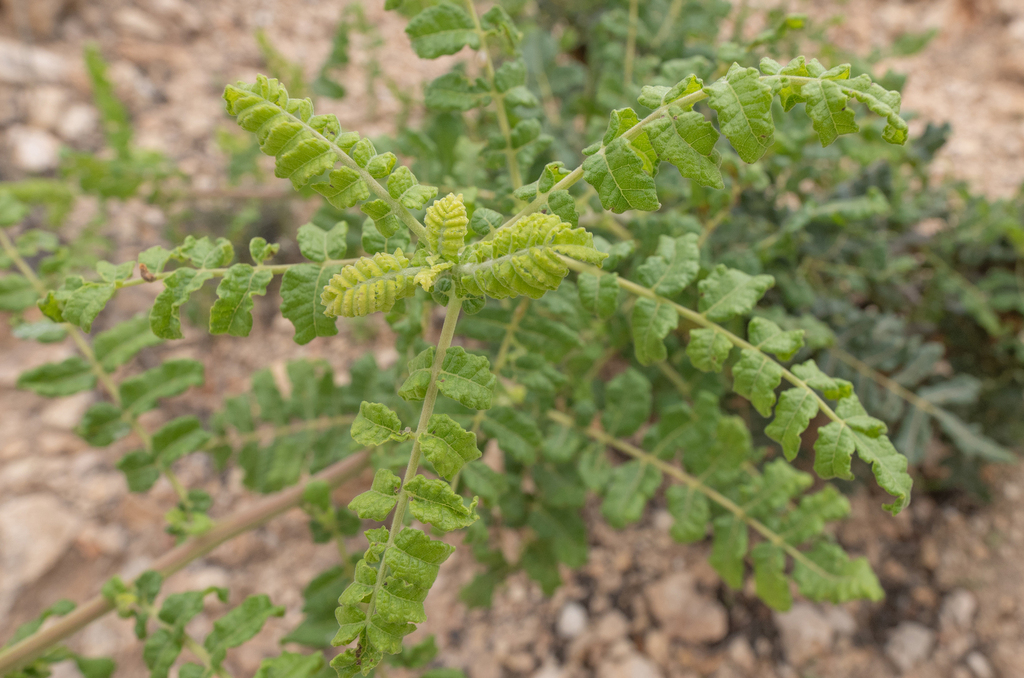
Frankincense
- Origin
- Middle East
- Part used
- See detailed notebook
- Tradition
- Traditional ethnobotany
Since ancient Arabia and the incense trading posts along the shores of the Red Sea, the resin of Boswellia sacra has scented temples and homes. Burned as an offering or used as a fumigation, it has crossed the ages as a link between body and spirit, a precious commodity of Middle Eastern caravans.
Traditional uses
Soothing fumigations for the airways
The resin, burned as a fumigation, was traditionally inhaled to clear the airways and purify the air of living spaces.
Traditional support for the joints
In the East as in Ayurvedic medicine, frankincense resin was used internally to accompany joint comfort, particularly in the elderly.
A ritual of contemplation and calm
Burned during vigils and religious ceremonies, the smoke of frankincense was reputed to foster a state of inner calm and contemplation.
Traditional skin care
Mixed with a fatty oil, the crushed resin was used as a local anointment to soothe certain skin irritations, according to old folk uses.
Before you use it
Not recommended for pregnant or breastfeeding women, for lack of sufficient safety data. Prolonged internal use should be supervised by a health professional, owing to possible interactions with certain treatments. Avoid prolonged inhalation of smoke in an enclosed, poorly ventilated space. Medical advice is recommended before any use in people undergoing anti-inflammatory or anticoagulant treatment.
The detailed notebook
- Prepared as a paste or decoction
- Traditional duration of use
- Known contraindications
- Related species and their uses
Where to find it
Partner herbalists — available with the detailed notebook.
Sources
PFAF, PubMed