Barberry
- Origin
- Europe
- Part used
- Root
- Tradition
- Traditional ethnobotany
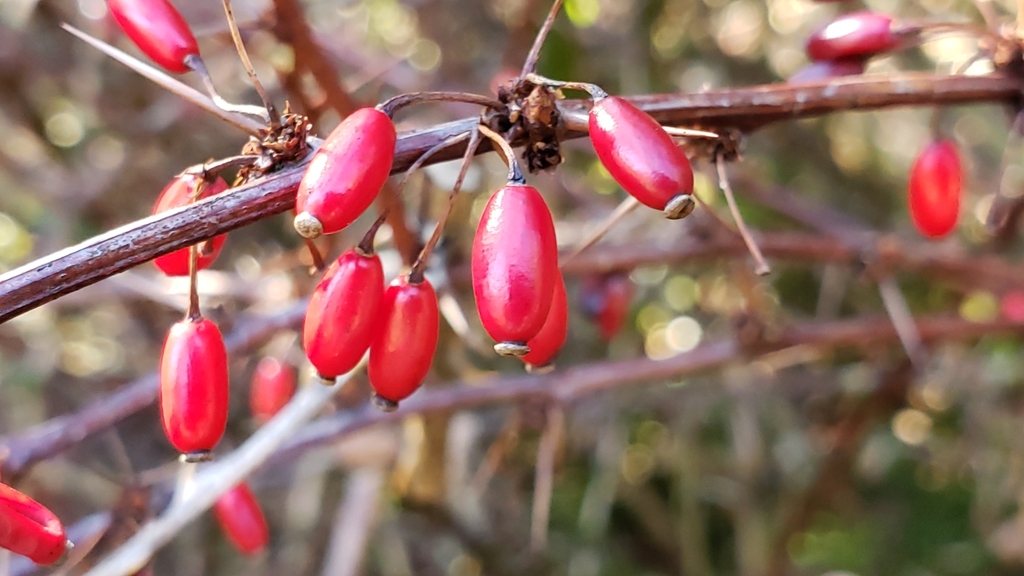
Barberry, a thorny shrub with bright red berries, has long adorned the hedgerows and banks of Europe. Its root bark, rich in berberine, held a discreet but respected place in folk pharmacopoeias, particularly for supporting the liver and digestion. The ancients regarded it as a 'bitter' plant, one of those reserved for occasional, measured use.
Traditional uses
Support for difficult digestion
The bitter barberry root was traditionally used to stimulate digestive secretions and support slow digestion or feelings of heaviness after meals.
Traditional liver drainer
In folk use, it was associated with healthy liver and gallbladder function, in the same family as other bitter, bile-stimulating plants.
Traditional cleansing use
Certain herbalist traditions included it in so-called spring 'cleansing' cures, believed to support elimination through the skin and the body's other outlets.
The old-time fever-reducing bitter
Before the widespread use of cinchona bark and later modern fever reducers, the bitter root bark was sometimes used in Europe to accompany feverish conditions.
Before you use it
Contains berberine, an active alkaloid: to be avoided entirely during pregnancy and breastfeeding due to uterine-stimulating risks and passage into breast milk. Do not use in young children without a healthcare professional's advice. Possible interactions with certain medications (notably anticoagulants, blood-sugar-lowering drugs, and liver treatments): seek advice from a pharmacist or doctor before any use. Prolonged use or high doses can irritate the digestive tract; reserve this plant for short, supervised courses.
The detailed notebook
- Prepared as a paste or decoction
- Traditional duration of use
- Known contraindications
- Related species and their uses
Where to find it
Partner herbalists — available with the detailed notebook.
Sources
PFAF, Wikipedia