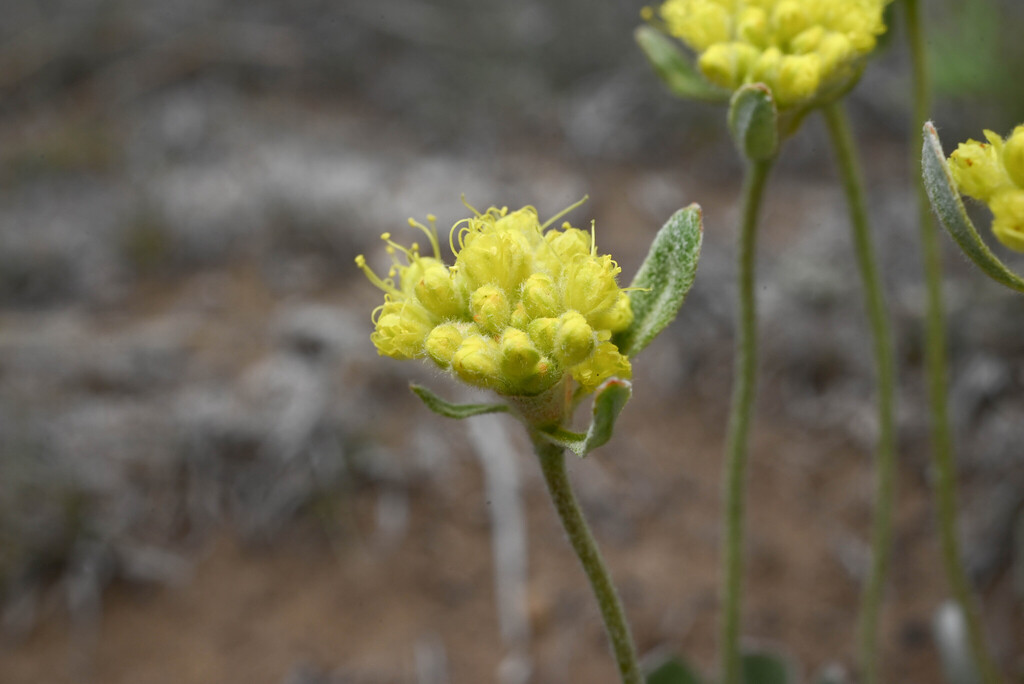
Eriogonum jamesii
- Origin
- North America
- Part used
- Flowers, Root
- Tradition
- Traditional ethnobotany
On the high arid plateaus of the North American Southwest grows Eriogonum jamesii, a humble plant with umbels of cream and pale yellow flowers, well known to the Indigenous peoples of the plains and the Rocky Mountains. Its name honors the botanist Edwin James, but its use dates back to much older traditions, passed down through generations of herbalists of the great open spaces.
Traditional uses
Easing stomach trouble
The root was traditionally prepared as a decoction to help with mild digestive discomfort, according to uses reported among certain Amerindian nations of the plains.
Support for coughing
An infusion of the flowers or root was traditionally used to soothe the throat and help with bouts of coughing.
Care for minor wounds
In external use, a root-based preparation traditionally served to clean and soothe superficial wounds or skin irritation.
Traditional relief of headaches
Certain ethnobotanical sources report a use of the plant as a light infusion to help with passing headaches.
Before you use it
A traditional use poorly documented by modern research: caution remains advisable, particularly regarding duration and frequency of use. Discouraged for pregnant or breastfeeding women, for lack of sufficient data. Avoid in young children without the advice of a health professional. If under ongoing medication, seek advice before any prolonged use.
The detailed notebook
- Prepared as a paste or decoction
- Traditional duration of use
- Known contraindications
- Related species and their uses
Where to find it
Partner herbalists — available with the detailed notebook.
Sources
PFAF, Wikipedia