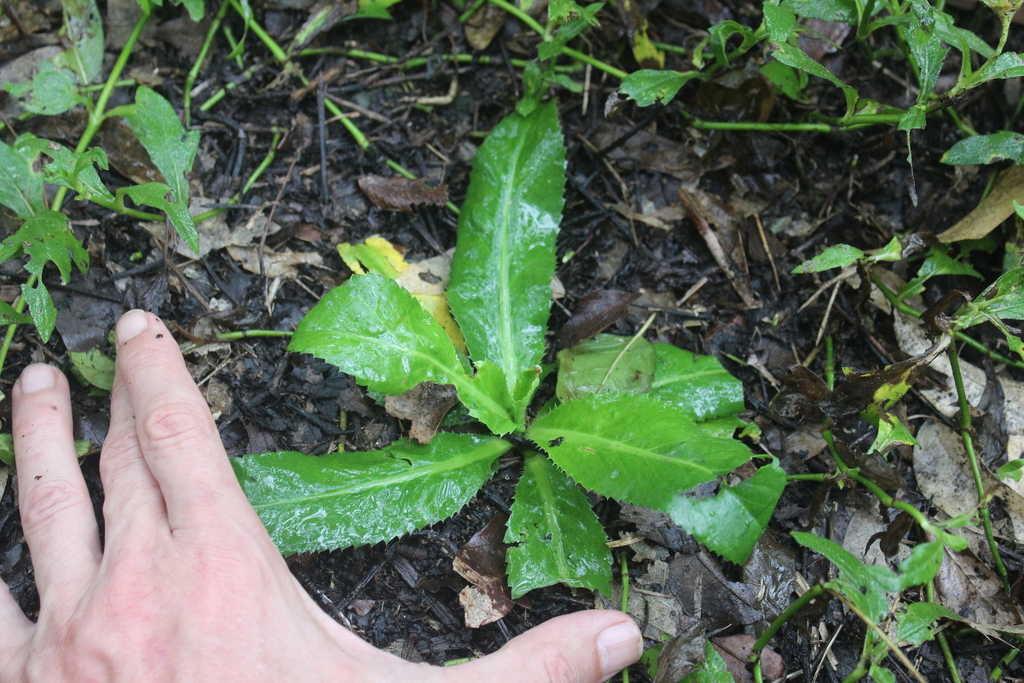
Eryngium foetidum
- Origin
- North America
- Part used
- Leaves
- Tradition
- Traditional ethnobotany
Known as long coriander or "spiny thistle," this powerfully scented aromatic plant has for generations accompanied the cuisine and folk pharmacopoeia of the Caribbean and tropical America. Traditional healers of these regions credited it with numerous virtues, passed down orally from household to household.
Traditional uses
Supporting digestion
The leaves were traditionally infused to help with difficult digestion or heaviness after meals, in the manner of other aromatics of the Apiaceae family.
Ailments of the respiratory tract
In certain Caribbean and South American folk pharmacopoeias, a decoction of fresh leaves was used for colds or a persistent cough.
A traditional use against fever
The plant is among the traditional remedies used to accompany feverish states, often in combination with other local plants.
Traditional care for minor wounds
Crushed leaves or a poultice were sometimes applied locally to insect bites or minor skin irritations.
Before you use it
A traditional use reported during pregnancy in some regions as an abortifacient or emmenagogue: to be strictly avoided in pregnant or breastfeeding women. Safety and toxicology data remain limited; do not exceed occasional, one-off use. Consult a health professional before any prolonged internal use, particularly if undergoing medication treatment. Reserve external use for healthy skin, after a prior test on a small area.
The detailed notebook
- Prepared as a paste or decoction
- Traditional duration of use
- Known contraindications
- Related species and their uses
Where to find it
Partner herbalists — available with the detailed notebook.
Sources
PFAF, Wikipedia