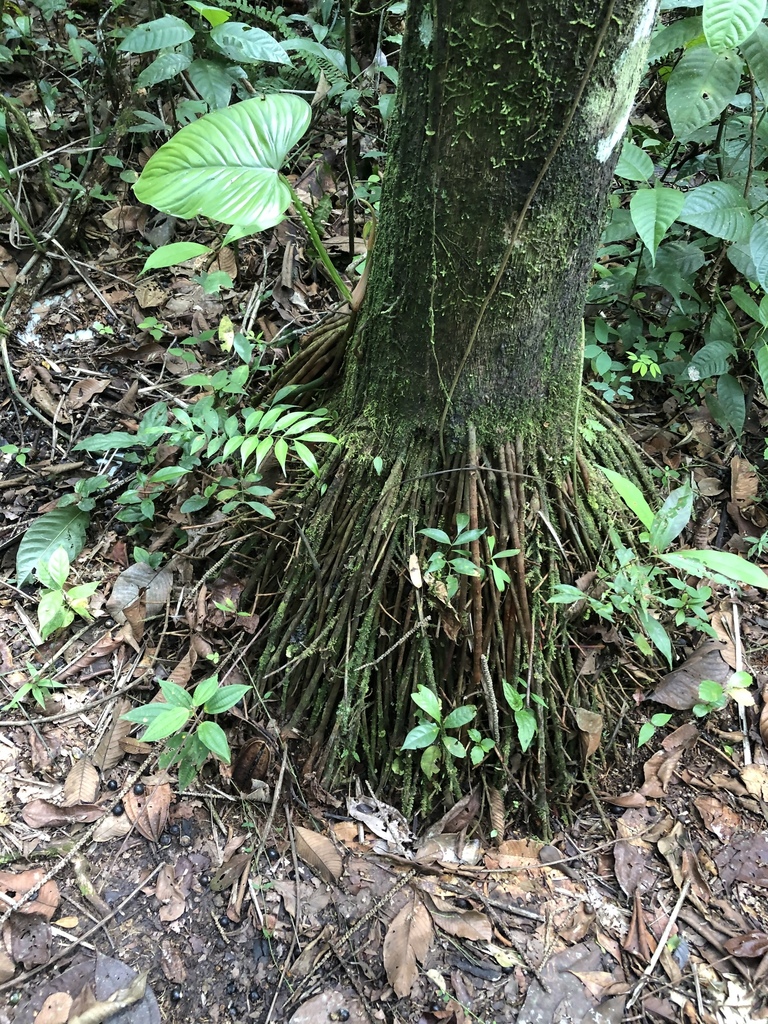
Euterpe precatoria
- Origin
- North America
- Part used
- See detailed notebook
- Tradition
- Traditional ethnobotany
Euterpe precatoria, a slender palm of the humid forests of Amazonia, produces a dark, nourishing fruit that Indigenous peoples have gathered for generations. A close cousin of açaí (Euterpe oleracea), it shares with it a long-standing reputation as a tonic, fortifying fruit, consumed as a drink during long journeys through the forest.
Traditional uses
A traditional fortifying drink
Juice drawn from the fruit pulp was drunk by local populations as a nourishing, energizing beverage, particularly before long walks through the forest.
Occasional digestive support
The fermented or fresh pulp of the fruit was traditionally consumed to accompany and support digestion within Amazonian communities.
A rich, dense staple food
The fruits, rich in fats and pigments, formed a staple food prized for its nutritional density in several communities of Amazonia.
A traditional use on the skin
Oil extracted from the fruit was sometimes applied locally, according to reported folk uses, to soften and nourish the skin.
Before you use it
The fruits must be fully ripe and properly prepared (soaking, gentle cooking) before consumption, as poorly prepared raw pulp may be poorly tolerated. Regular consumption of large amounts of pulp does not replace appropriate nutritional guidance, particularly for people with digestive disorders. As with any uncommon exotic fruit, gradual introduction is recommended for those prone to allergies. Oil or pulp intended for skin use should be tested beforehand on a small area of skin.
The detailed notebook
- Prepared as a paste or decoction
- Traditional duration of use
- Known contraindications
- Related species and their uses
Where to find it
Partner herbalists — available with the detailed notebook.
Sources
PFAF, PubMed