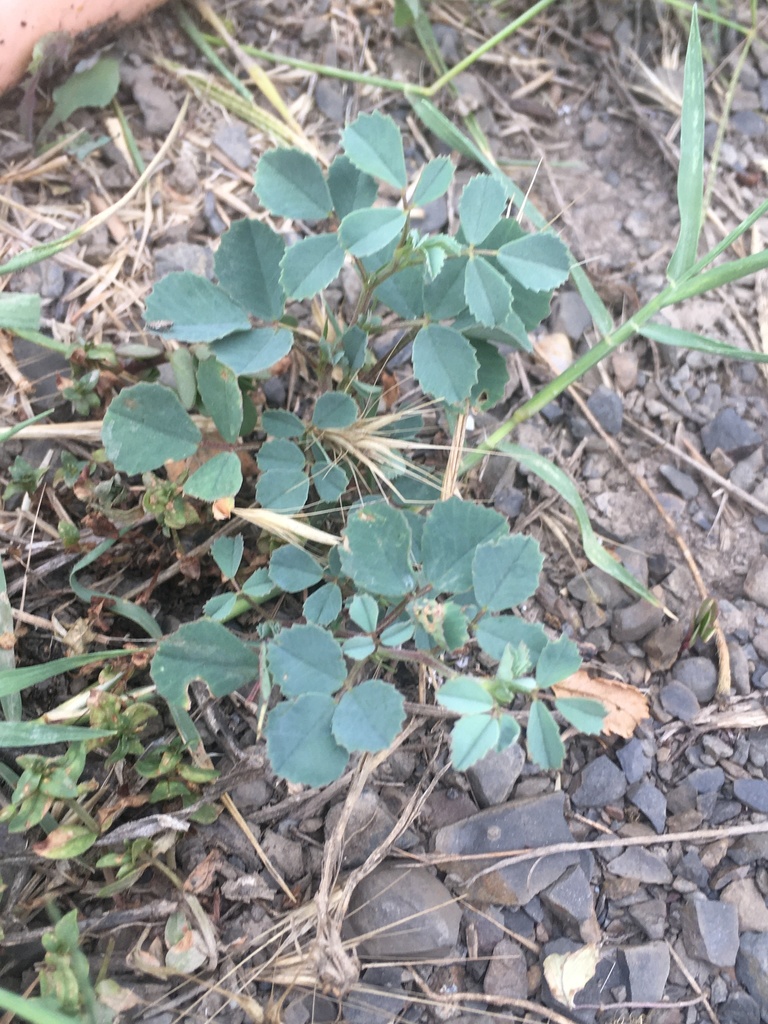
Fenugreek
- Origin
- Middle East
- Part used
- See detailed notebook
- Tradition
- Traditional ethnobotany
From the banks of the Tigris and Euphrates to the spice markets of the world, fenugreek has accompanied humankind since ancient Egyptian times, where its seeds were already found in tombs. A plant both nourishing and medicinal, it holds a prized place in the folk traditions of the Middle East, India, and the Mediterranean basin. Its small golden seeds, with their distinctive caramel scent, have crossed the centuries without losing their reputation as a fortifying plant.
Traditional uses
Supporting lactation
Fenugreek is traditionally reputed, notably among wet nurses of the Middle East and India, to encourage breast milk production. This ancestral use remains one of the best documented in folk traditions.
Stimulant for appetite and digestion
The bitter seeds were drunk as a decoction to stimulate a flagging appetite and soothe mild digestive discomfort, in the manner of old Eastern herbalist preparations.
A plant for convalescence
In rural Mediterranean and Near Eastern traditions, fenugreek accompanied periods of fatigue or convalescence, often mixed with honey or incorporated into fortifying culinary preparations.
A soothing poultice
Ground into a paste, fenugreek seeds have long served as a traditional poultice to soothe irritated skin or superficial skin inflammation.
Before you use it
Not advised during pregnancy owing to properties traditionally reported as uterine stimulants. May interact with treatments for diabetes or clotting disorders; the advice of a health professional is essential if undergoing treatment. A body and urine odor reminiscent of maple syrup may appear after consumption, harmless but sometimes surprising. To be avoided in people allergic to legumes (as fenugreek belongs to this family).
The detailed notebook
- Prepared as a paste or decoction
- Traditional duration of use
- Known contraindications
- Related species and their uses
Where to find it
Partner herbalists — available with the detailed notebook.
Sources
PFAF