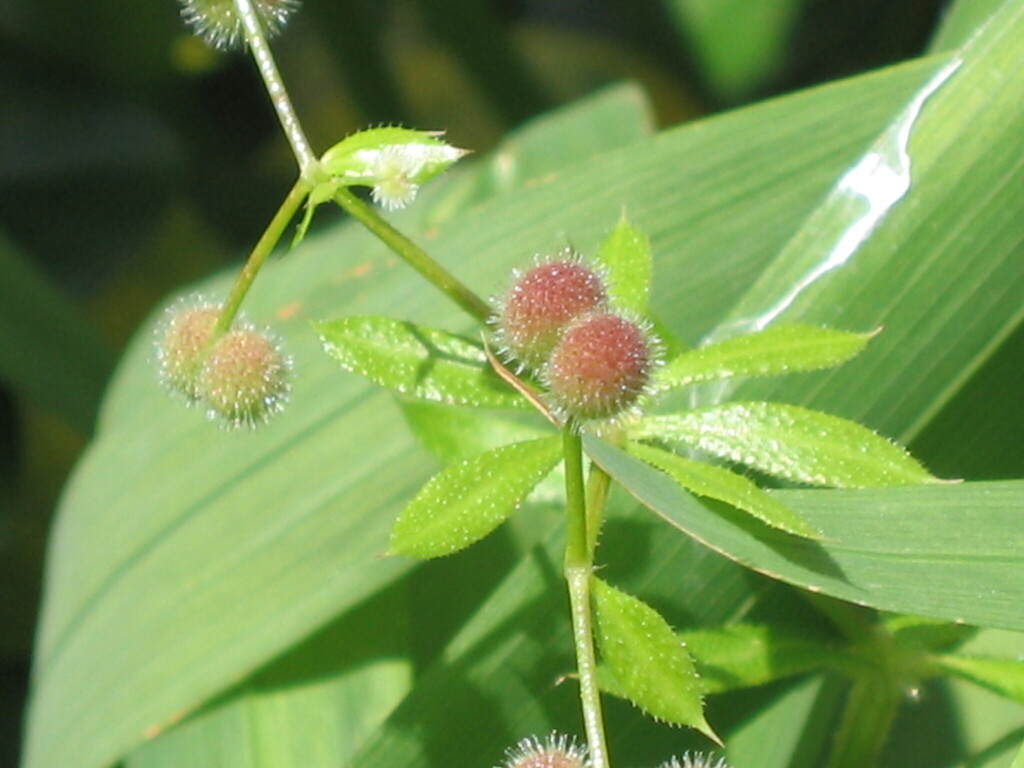
Galium aparine
- Origin
- Europe
- Part used
- Stem
- Tradition
- Traditional ethnobotany
Cleavers, a climbing plant with clinging stems that readily catch onto walkers' clothing, was once gathered along paths and hedgerows. Old-time European herbalists held it in esteem for its depurative virtues and its gentleness on the skin, despite its rough, bristly appearance.
Traditional uses
Traditional care for irritated skin
The fresh stem, applied as a compress or brewed as a tea, was traditionally used to soothe minor skin irritations and promote a healthy-looking complexion.
A spring depurative plant
In popular spring cures, cleavers was drunk as a tea as a so-called depurative plant, said to support the body's natural cleansing.
Traditional support for the urinary tract
European herbalist tradition reports a use of cleavers to support the proper functioning of the urinary tract, particularly as a light tea.
A plant for the lymph nodes and lymph
Some old-time herbalists associated cleavers with lymphatic drainage, using it as a cure during periods of fatigue or lymph node congestion.
Before you use it
Avoid during pregnancy or breastfeeding, for lack of sufficient safety data. Do not exceed the usual traditional doses, and avoid prolonged use without the advice of a healthcare professional. If on medication, particularly diuretics, seek advice from a professional before any cure. Check for possible botanical confusion with other climbing plants when foraging.
The detailed notebook
- Prepared as a paste or decoction
- Traditional duration of use
- Known contraindications
- Related species and their uses
Where to find it
Partner herbalists — available with the detailed notebook.
Sources
PFAF, Wikipedia