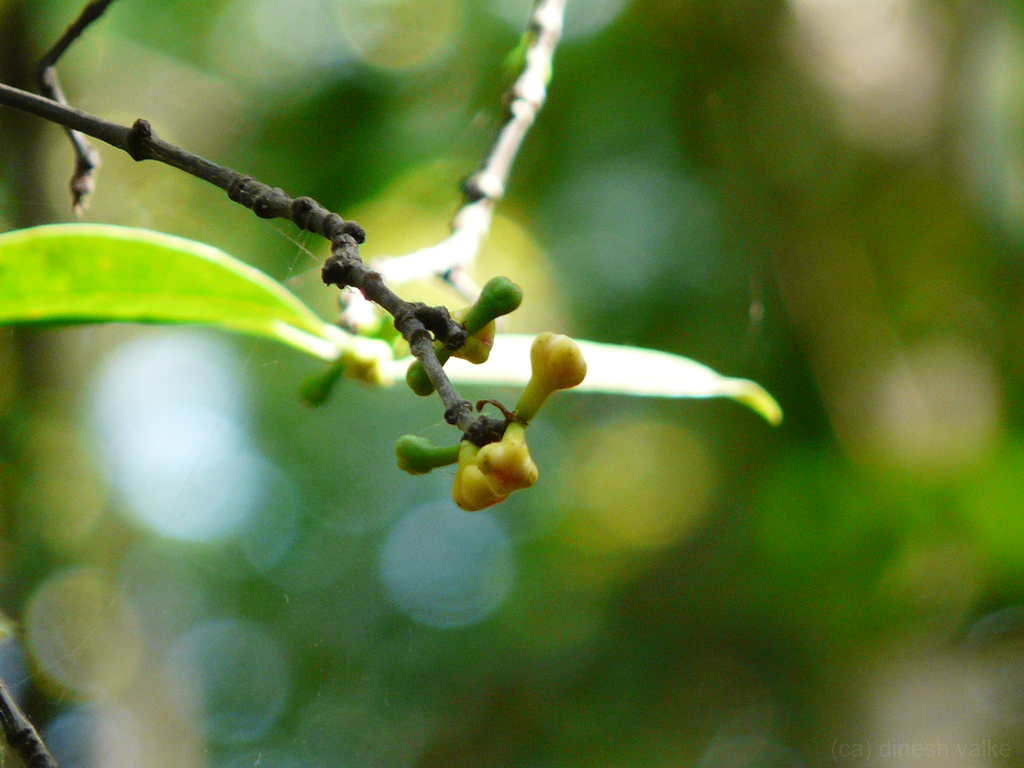
Garcinia indica
- Origin
- Asia
- Part used
- See detailed notebook
- Tradition
- Traditional ethnobotany
On the coasts of western India, Kokum — the fruit of Garcinia indica — has long served cooks and village healers alike. Its dark bark, sun-dried, was used in refreshing preparations intended to relieve the heat of the monsoon and digestive troubles.
Traditional uses
Traditional digestive comfort
The dried bark was infused or added to dishes to promote calm digestion, particularly after heavy or spicy meals.
A refreshing monsoon drink
Kokum syrup ("kokum sharbat") is traditionally consumed in hot weather to combat heatstroke and an internal burning sensation.
Traditional care for dry skin
Butter extracted from the kokum seed was applied locally to nourish dry or chapped skin, a use still common in Ayurvedic cosmetics.
Traditional postpartum use
In certain coastal regions, kokum was used in preparations intended for women postpartum, reputed to be soothing for the body.
What to know before use
Excessive consumption of hydroxycitric acid (HCA), present in the bark, is sometimes associated with digestive or liver trouble reported in modern literature; it is advisable to remain reasonable with quantities. Concentrated Garcinia supplements (often used outside a traditional context for slimming) may interact with certain medications, particularly those for lipid or blood sugar metabolism. It is recommended to seek the advice of a health professional before any prolonged use, particularly during pregnancy, breastfeeding, or ongoing medication treatment. Kokum butter used on the skin should be tested on a small area to rule out individual sensitivity.
The detailed notebook
- Prepared as a paste or decoction
- Traditional duration of use
- Known contraindications
- Related species and their uses
Where to find it
Partner herbalists — available with the detailed notebook.
Sources
PFAF, Wikipedia