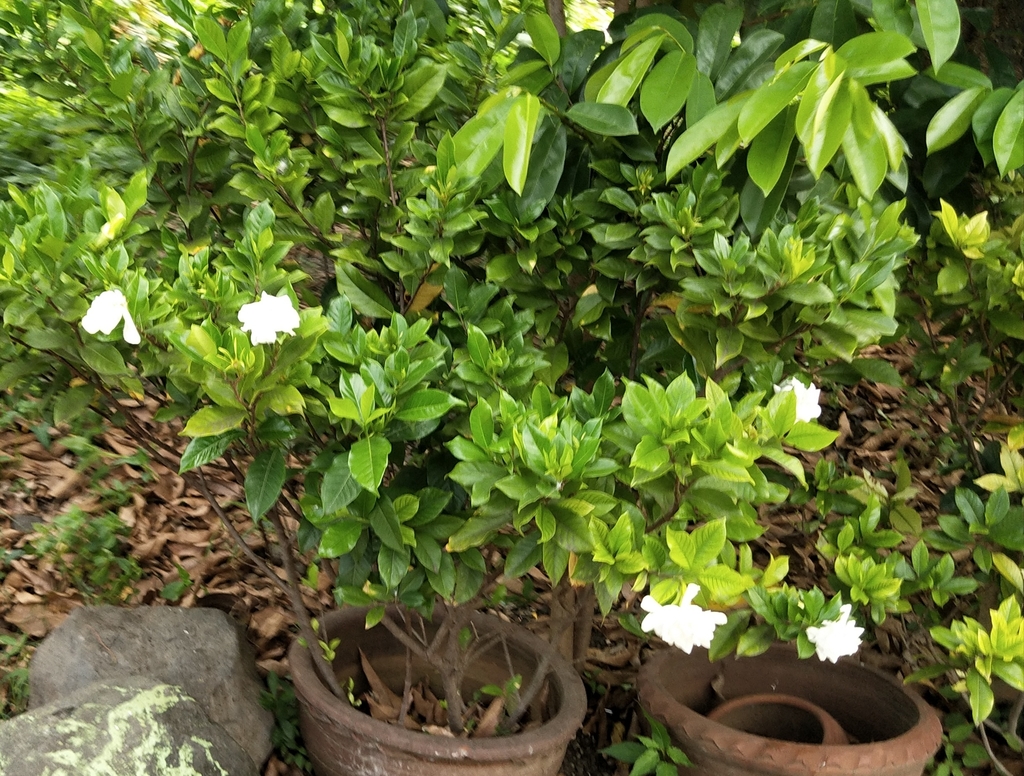
Gardenia jasminoides
- Origin
- Asia
- Part used
- See detailed notebook
- Tradition
- Traditional ethnobotany
Native to the damp valleys and gardens of East Asia, Gardenia jasminoides has been celebrated for centuries in China and Japan, both for the beauty of its white, fragrant flowers and for its fruits, called "zhi zi" in traditional Chinese pharmacopeia. Traditional herbalists made it a precious ally for soothing certain skin ailments and restoring serenity.
Traditional uses
Soothing skin inflammation
Gardenia fruit was traditionally used externally to calm redness and skin flare-ups.
A return to inner calm
In Chinese tradition, zhi zi was used to soothe agitation and promote more peaceful sleep in cases of passing nervousness.
Support for the digestive system
The fruits were sometimes used as a light decoction to relieve digestive discomfort linked to internal heat, according to ancient Chinese medical theory.
Cooling in cases of excessive heat
Traditional pharmacopeia credited gardenia fruit with a cooling action, used to help with states of internal heat or mild fever.
What to know before use
Internal traditional use reserved for supervision by a qualified professional due to the plant's potency and possible interactions. Not recommended during pregnancy and breastfeeding, or in young children. Do not use in cases of chronic digestive trouble or kidney weakness without prior medical advice. May interact with certain medication treatments; seek advice before any prolonged intake.
The detailed notebook
- Prepared as a paste or decoction
- Traditional duration of use
- Known contraindications
- Related species and their uses
Where to find it
Partner herbalists — available with the detailed notebook.
Sources
PubMed, Wikipedia