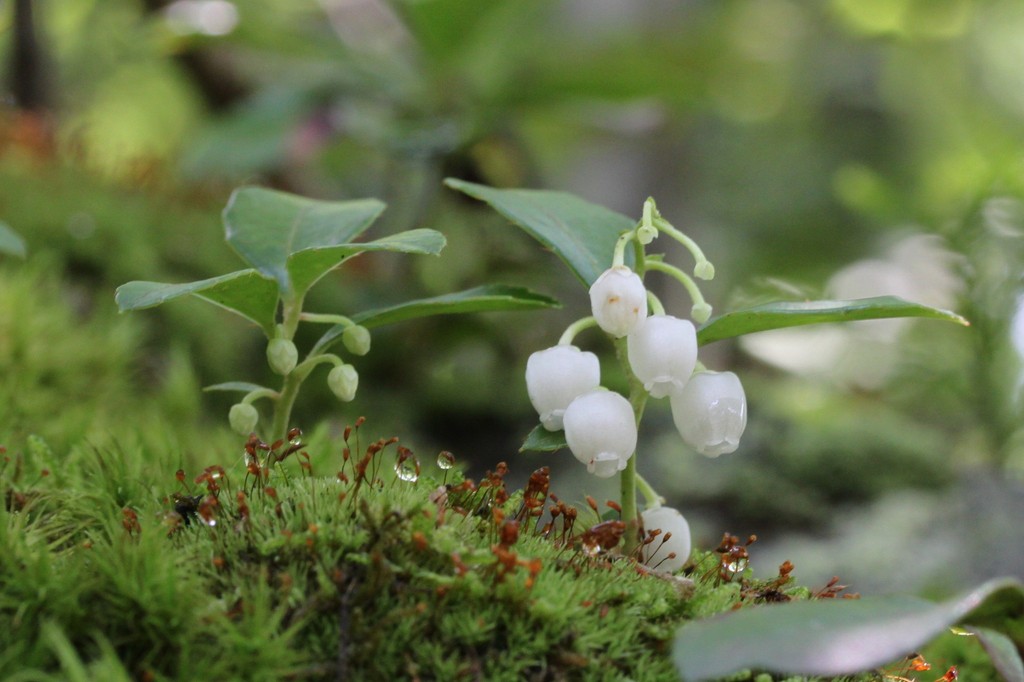
Wintergreen
- Origin
- North America
- Part used
- Leaves, Seeds/fruits, Root
- Tradition
- Traditional ethnobotany
A small creeping shrub of North American woodlands, wintergreen was known to Indigenous peoples long before the arrival of settlers, who in turn made it a remedy of folk pharmacopoeia. Its crushed leaves release a characteristic minty scent, the very one that long gave “teaberry” its flavor.
Traditional uses
Friction rubs for muscles and joints
Essential oil and leaf preparations were traditionally applied as a rub on sore muscles and stiff joints, particularly after exertion.
A light digestive infusion
The dried leaves were sometimes infused as a digestive, tonic drink, in the manner of a teaberry tea consumed by trappers and travelers.
Support for colds
The plant was included in certain traditional preparations intended to help with flu-like states and seasonal colds.
A soothing external use
Externally, leaves and root were used to make compresses or balms intended to locally soothe the skin after exertion or a knock.
Before you use it
The plant naturally contains methyl salicylate, related to aspirin: use is discouraged for people allergic to salicylates, on anticoagulants, or with clotting disorders. The essential oil is highly concentrated in methyl salicylate and can be toxic even in small doses, particularly in children: it must never be ingested undiluted, and skin use should remain very diluted and occasional. Not advised for pregnant or breastfeeding women, or young children, in the absence of sufficient safety data. Seek the advice of a health professional before any prolonged use, particularly if undergoing medication treatment.
The detailed notebook
- Prepared as a paste or decoction
- Traditional duration of use
- Known contraindications
- Related species and their uses
Where to find it
Partner herbalists — available with the detailed notebook.
Sources
PFAF, Wikipedia