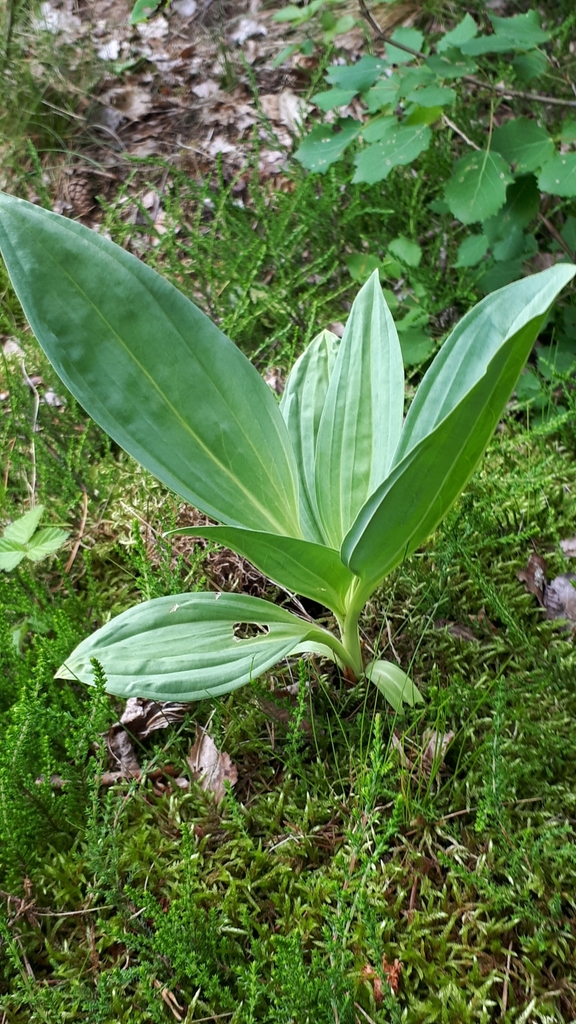
Yellow Gentian
- Origin
- Europe
- Part used
- See detailed notebook
- Tradition
- Traditional ethnobotany
In alpine meadows and mountain pastures, yellow gentian raises its tall golden stem from early summer. Since antiquity, its bitter root, said to have been revealed by an Illyrian king named Gentius, has held a place of honor in the notebooks of European herbalists. It remains today one of the most widely used bitter plants for supporting digestion.
Traditional uses
Stimulating the appetite
Bitter gentian root was traditionally used before meals to whet the appetite and prepare the stomach for digestion.
Support for slow digestion
Used after meals, it was said to relieve feelings of heaviness, bloating, and difficult digestion.
A tonic during recovery
Herbalists of the past recommended gentian as a bitter tonic to accompany the return of strength after a period of fatigue or convalescence.
Use during fevers
Before modern treatments, gentian root was among the bitter plants traditionally used to accompany feverish states.
Before you use it
Not advised in cases of gastric or duodenal ulcer, gastritis, or reflux, as the bitterness may worsen mucosal irritation. Not recommended during pregnancy and breastfeeding, due to insufficient data. To be avoided in cases of uncontrolled high blood pressure, according to some traditional sources. Prolonged or high-dose use should be supervised by a healthcare professional or a qualified herbalist.
The detailed notebook
- Prepared as a paste or decoction
- Traditional duration of use
- Known contraindications
- Related species and their uses
Where to find it
Partner herbalists — available with the detailed notebook.
Sources
Wikipedia