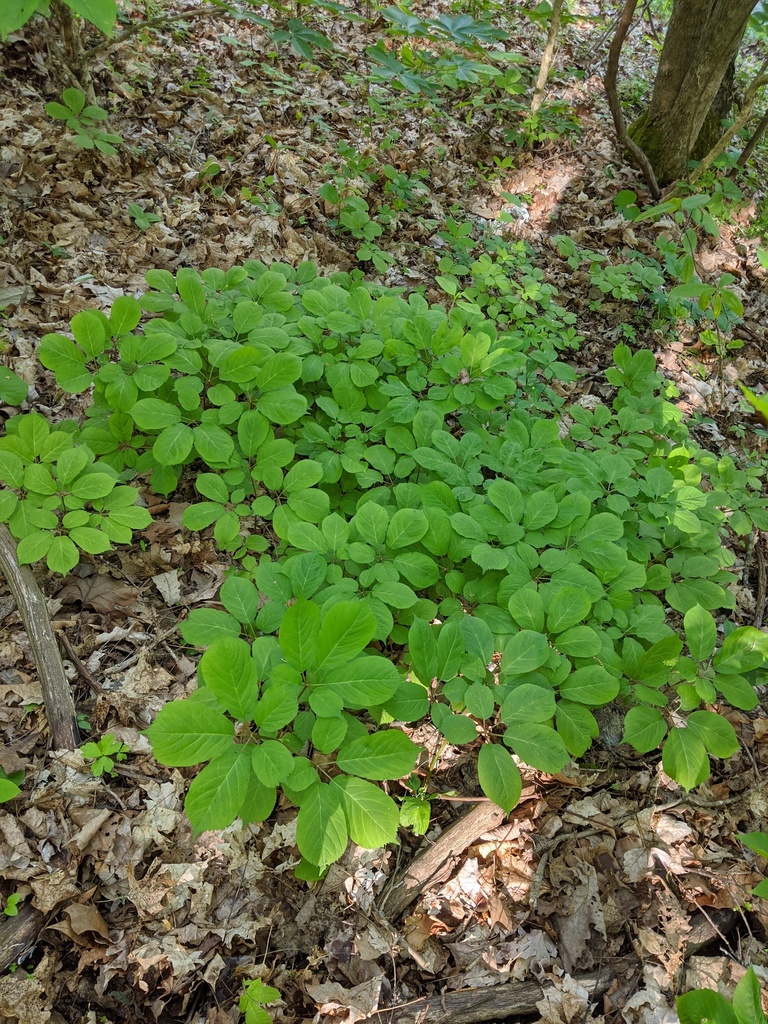
American Ginseng
- Origin
- North America
- Part used
- See detailed notebook
- Tradition
- Traditional ethnobotany
Revered by the Indigenous nations of North America long before the arrival of settlers, American ginseng was considered a root of strength and balance, reserved for moments of deep fatigue or convalescence. Its trade to Asia, where it was compared to its Asian cousin, made it, from the eighteenth century onward, one of the most sought-after roots of the New World's forests. Even today, it remains a symbol of traditional North American pharmacopoeia.
Traditional uses
Support during times of fatigue
Traditionally used as a general tonic, the root was reputed to restore energy to weakened or convalescing people.
Aid in adapting to stress
Traditional herbalists credited it with the ability to help the body better withstand everyday physical and nervous strain.
Mild digestive support
Some Indigenous communities used the root as a light decoction to soothe digestive trouble and stimulate the appetite.
A traditional use against coughing
The root was sometimes prepared as a decoction to help with mild respiratory ailments and states of winter weakness.
Before you use it
Not advised during pregnancy and breastfeeding owing to a possible, not fully characterized hormonal effect. May interact with certain treatments, particularly anticoagulants, antidiabetics, and central nervous system stimulants: seek the advice of a health professional before any use. Prolonged or high-dose use is not recommended without supervision, as stimulant effects or digestive trouble have been reported. Do not give to young children without medical advice.
The detailed notebook
- Prepared as a paste or decoction
- Traditional duration of use
- Known contraindications
- Related species and their uses
Where to find it
Partner herbalists — available with the detailed notebook.
Sources
PFAF