Oceanspray
- Origin
- North America
- Part used
- Leaves
- Tradition
- Traditional ethnobotany
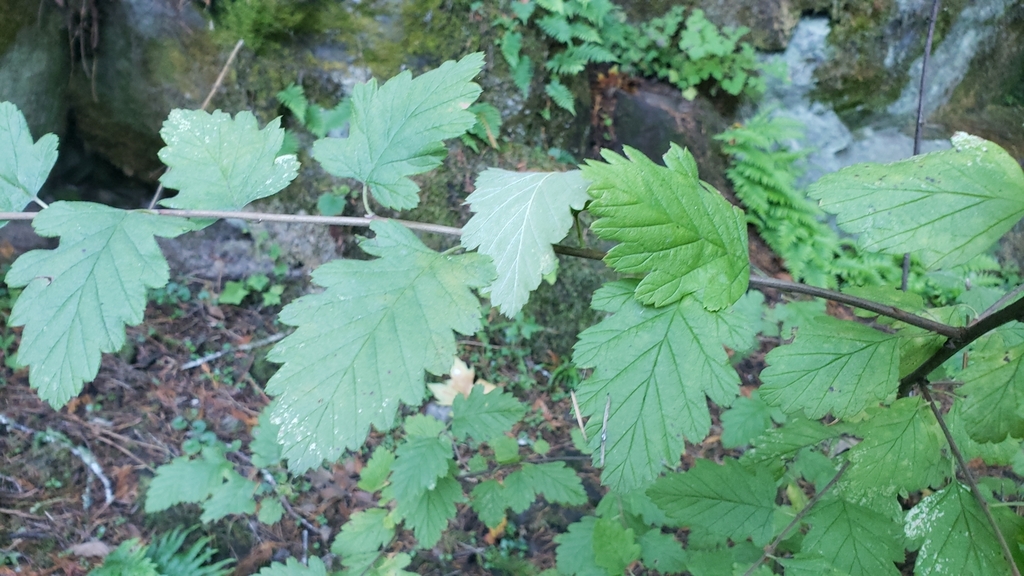
On the dry slopes and rocky edges of the North American West, oceanspray raises its long clusters of cream-colored flowers as the warm season begins. The Indigenous peoples of the Pacific coast had long known the virtues of its silvery foliage, which they used in traditional applications and preparations. It is sometimes called "ironwood" or "creambush," owing to the lobed shape of its leaves.
Traditional uses
Care for wounds and skin ailments
The leaves were traditionally applied as a poultice or decoction to wounds, minor burns, and skin rashes by certain Indigenous communities of the Pacific Northwest.
Digestive trouble and diarrhea
A leaf decoction was traditionally used to ease digestive trouble, particularly diarrhea, according to reported ethnobotanical uses.
Traditional postpartum support
Some ethnobotanical sources mention a traditional use of the leaves in connection with the postpartum period, though the precise details remain poorly documented.
Various pain and ailments
The plant appears in Amerindian traditional pharmacopoeias as a versatile remedy against various pain, though the exact nature of the preparations is not always specified in the available sources.
Before you use it
A traditional use poorly documented scientifically: seek the advice of a health professional before any use, particularly internal. Avoid any use in pregnant or breastfeeding women, in the absence of sufficient safety data. Do not give to young children without professional advice. Reserve cautious external use (with a prior skin test) in the absence of complete toxicological data.
The detailed notebook
- Prepared as a paste or decoction
- Traditional duration of use
- Known contraindications
- Related species and their uses
Where to find it
Partner herbalists — available with the detailed notebook.
Sources
PFAF, Wikipedia