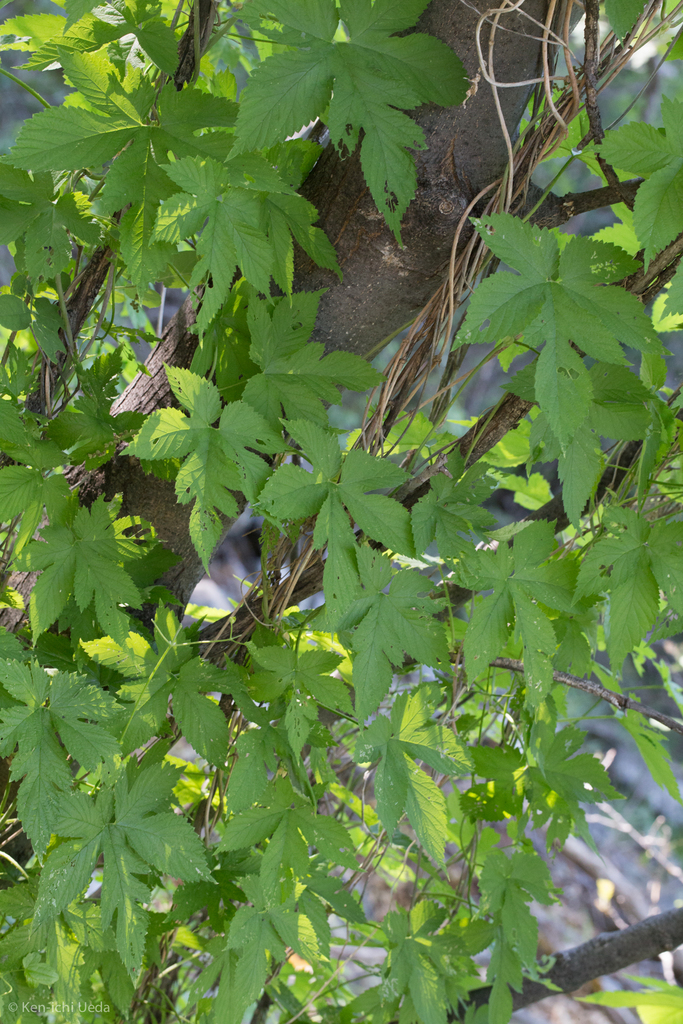
Hops
- Origin
- Europe
- Part used
- See detailed notebook
- Tradition
- Traditional ethnobotany
Hops have climbed along the hedgerows and willow groves of Europe for centuries, long before brewers claimed their cones to flavor and preserve beer. Old herbalists recognized in it another, more discreet virtue: that of calming a restless mind and preparing the body for sleep.
Traditional uses
Traditional aid for falling asleep
Dried hop cones were tucked into pillows or infused in the evening to promote calmer sleep, a use that became popular in Europe as early as the 19th century.
Support for digestion
In traditional herbalism, the bitterness of hops was used to stimulate appetite and support difficult digestion.
Calming nervous agitation
Traditionally paired with valerian or lemon balm, hops were used to calm passing nervousness linked to everyday tension.
Traditional use linked to phytoestrogens
Certain folk traditions attributed to hops an influence on women's cycles, linked to its natural content of estrogenic compounds.
Before you use it
Hops contain compounds with estrogenic activity: their use is not recommended during pregnancy and breastfeeding, or in cases of hormone-dependent conditions, without prior medical advice. May potentiate the effect of sedatives, sleep aids, or alcohol; caution is advised during ongoing treatment. Professional advice is recommended before any prolonged use, particularly in children, the elderly, or during medication. Handling fresh cones can cause, in sensitive individuals, contact dermatitis (known as ‘hop-picker's disease’).
The detailed notebook
- Prepared as a paste or decoction
- Traditional duration of use
- Known contraindications
- Related species and their uses
Where to find it
Partner herbalists — available with the detailed notebook.
Sources
Wikipedia