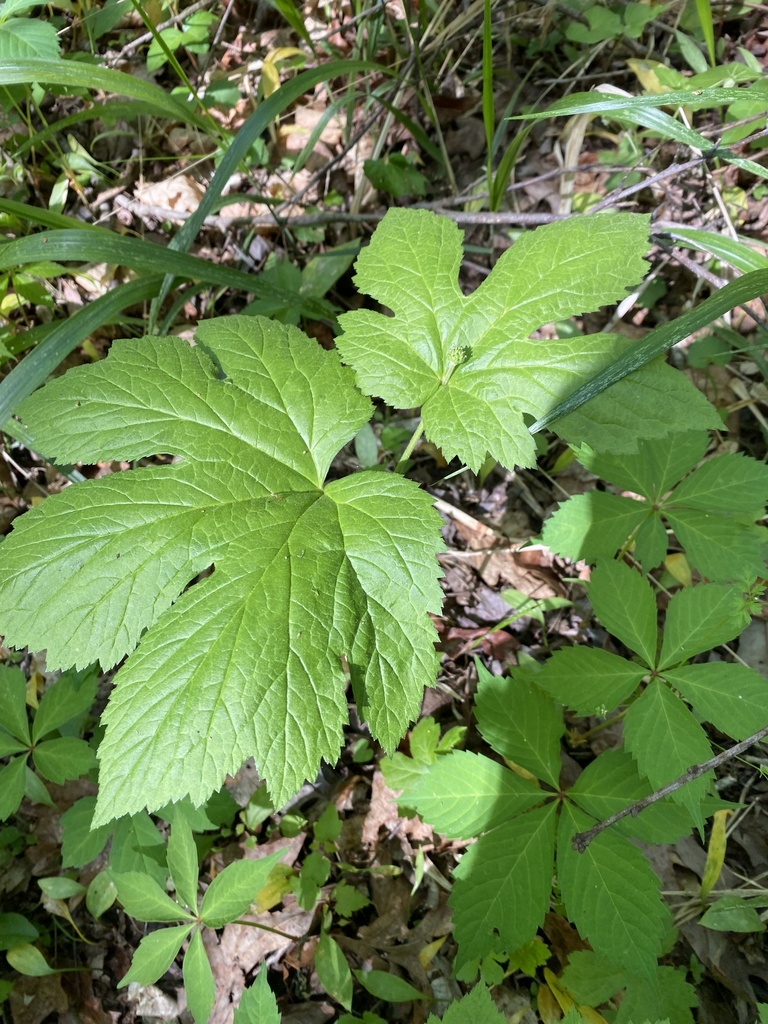
Goldenseal
- Origin
- North America
- Part used
- See detailed notebook
- Tradition
- Traditional ethnobotany
In the humid woodlands of eastern North America, Amerindian nations — notably the Cherokee — had for generations gathered the yellow root of goldenseal, which they sometimes called "yellow seal." Later introduced into settlers' folk pharmacopoeia, this unassuming plant became one of the most prized roots of North American herbalism, to the point of now being threatened in the wild.
Traditional uses
Traditional digestive support
The bitter root was traditionally used to stimulate the appetite and support sluggish digestion, in the manner of the great bitter plants of folk use.
Irritated mucous membranes and the respiratory tract
Traditional practitioners used goldenseal as a gargle or local application to soothe oral and ENT mucous membranes prone to seasonal irritation.
External use on the skin
As a poultice or wash, the root was traditionally applied to irritated skin or minor wounds, continuing the Amerindian uses reported by the first colonial herbalists.
Support during colds
Combined with other plants such as echinacea, it appears in North American herbalist tradition among the roots used during periods of seasonal vulnerability.
Before you use it
A plant discouraged during pregnancy and breastfeeding owing to its compounds (berberine, hydrastine), with potential uterine effects reported by tradition. Do not use in young children without the advice of a health professional. Possible interactions with certain medications (anticoagulants, treatments metabolized by the liver): prior medical or pharmaceutical advice is recommended. Avoid prolonged or repeated use without supervision, as the plant has also become rare and overharvested in the wild.
The detailed notebook
- Prepared as a paste or decoction
- Traditional duration of use
- Known contraindications
- Related species and their uses
Where to find it
Partner herbalists — available with the detailed notebook.
Sources
PFAF