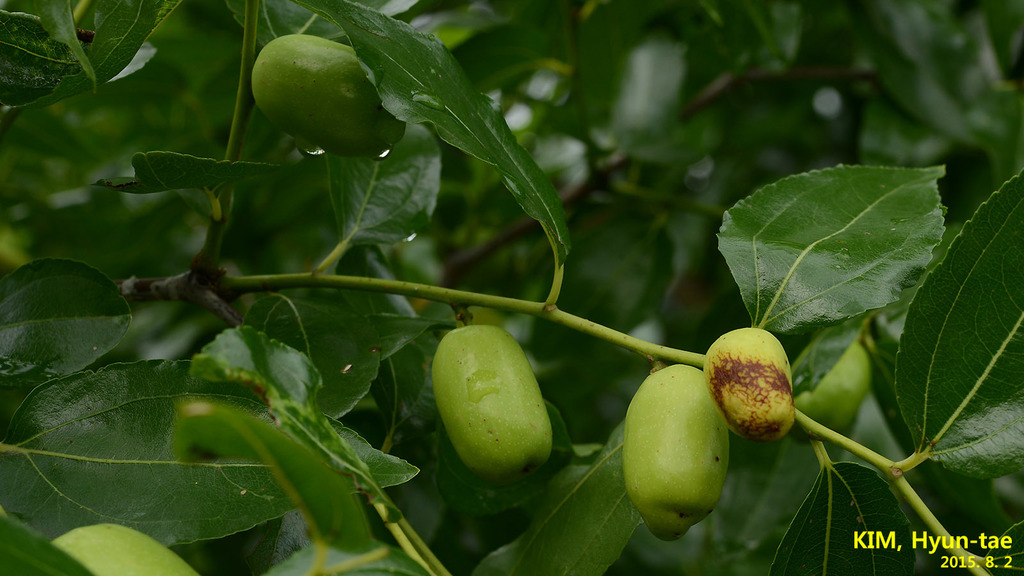
Jujube
- Origin
- Asia
- Part used
- See detailed notebook
- Tradition
- Traditional ethnobotany
In Chinese herbalist notebooks, the jujube tree has held a prized place for millennia, its dried fruits — jujubes, or "Chinese dates" — considered a gentle fortifier and an ally of rest. A hardy tree of Asia's regions, it moves through history as a symbol of longevity and comfort, both in cooking and in traditional pharmacopeia.
Traditional uses
Evening calm
The fruit of the jujube tree is traditionally associated with more peaceful sleep and the calming of an agitated mind, particularly in ancient Chinese medicine.
Gentle digestive support
Consumed as a decoction or simply chewed, the jujube was reputed to help calm digestion and comfort a fragile stomach.
A traditional fortifier
Dried jujubes were readily included in autumn and winter tonic preparations, believed to support vital strength and help with convalescence.
A throat soother
Jujube decoction, sometimes combined with other plants, was traditionally used to soothe the throat and calm a dry cough.
What to know before use
People with diabetes should be mindful of the natural sugar content of the dried fruit. Excessive consumption may cause mild digestive trouble (bloating). As with any plant intended to have a calming effect, the advice of a health professional is recommended if undergoing medication treatment, particularly sedative.
The detailed notebook
- Prepared as a paste or decoction
- Traditional duration of use
- Known contraindications
- Related species and their uses
Where to find it
Partner herbalists — available with the detailed notebook.
Sources
PFAF