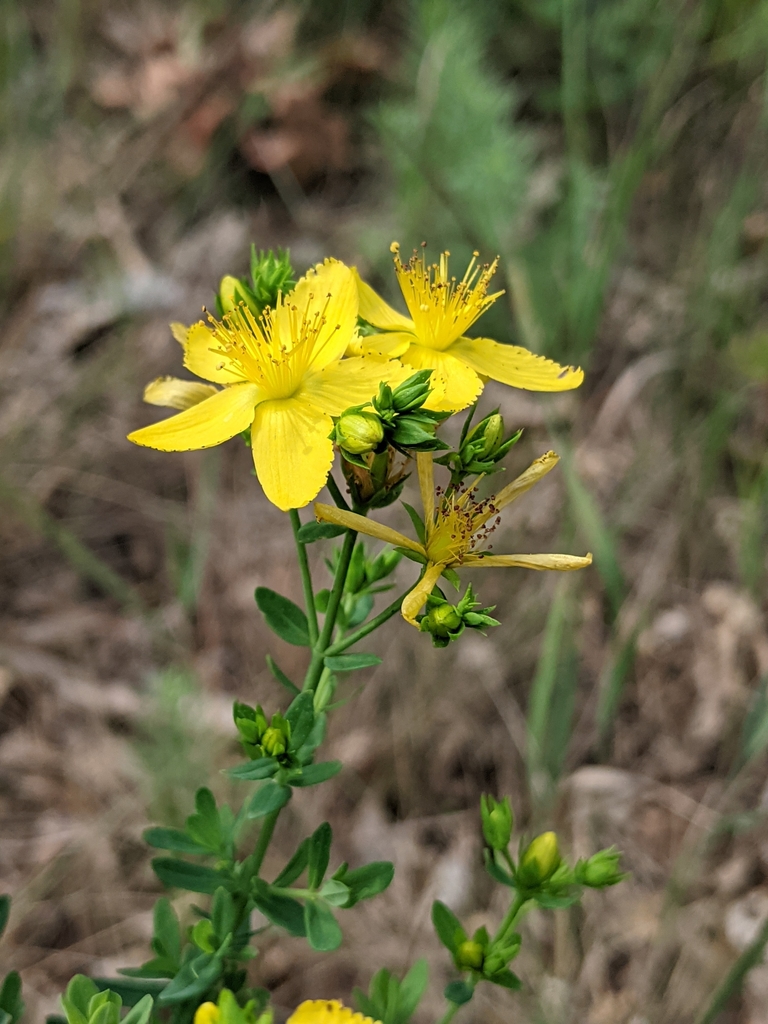
St. John's Wort
- Origin
- Europe
- Part used
- Flowers, Seeds/fruits, Bark
- Tradition
- Traditional ethnobotany
Under the midsummer sun, St. John's Wort raises its golden flowers in the meadows and roadside banks of Europe. Nicknamed "devil-chaser" by people of the past, it was long carried in bouquets or as an amulet to ward off evil spirits and dark thoughts. Its flowering tops, picked at the height of summer, have stood at the center of this plant's traditional uses for centuries.
Traditional uses
Traditional care for minor wounds
The red oil obtained by macerating the flowers was applied to minor wounds, superficial burns, and sunburn to soothe the skin, following a very old folk practice in Europe.
Support for mood and calm
The flowering top was traditionally prepared as an infusion to accompany periods of passing low mood and to encourage more peaceful sleep.
Light digestive comfort
Folk use of St. John's Wort infusion is recorded for easing minor digestive discomfort, particularly after meals.
A protective plant for Midsummer's Eve
Traditionally picked around June 24th, St. John's Wort was hung on doors and windows to ward off evil spirits, according to European folk beliefs.
Before you use it
St. John's Wort is known to interact with many medications (oral contraceptives, anticoagulants, antidepressants, immunosuppressants, and others) by reducing their effectiveness: medical or pharmacist advice is essential before any internal use. The plant can cause photosensitivity of the skin; prolonged sun exposure should be avoided after applying or taking St. John's Wort. Internal use is not advised for pregnant or breastfeeding women, or for children, without professional guidance. Do not combine with ongoing medication without first speaking to a doctor or pharmacist.
The detailed notebook
- Prepared as a paste or decoction
- Traditional duration of use
- Known contraindications
- Related species and their uses
Where to find it
Partner herbalists — available with the detailed notebook.
Sources
Wikipedia