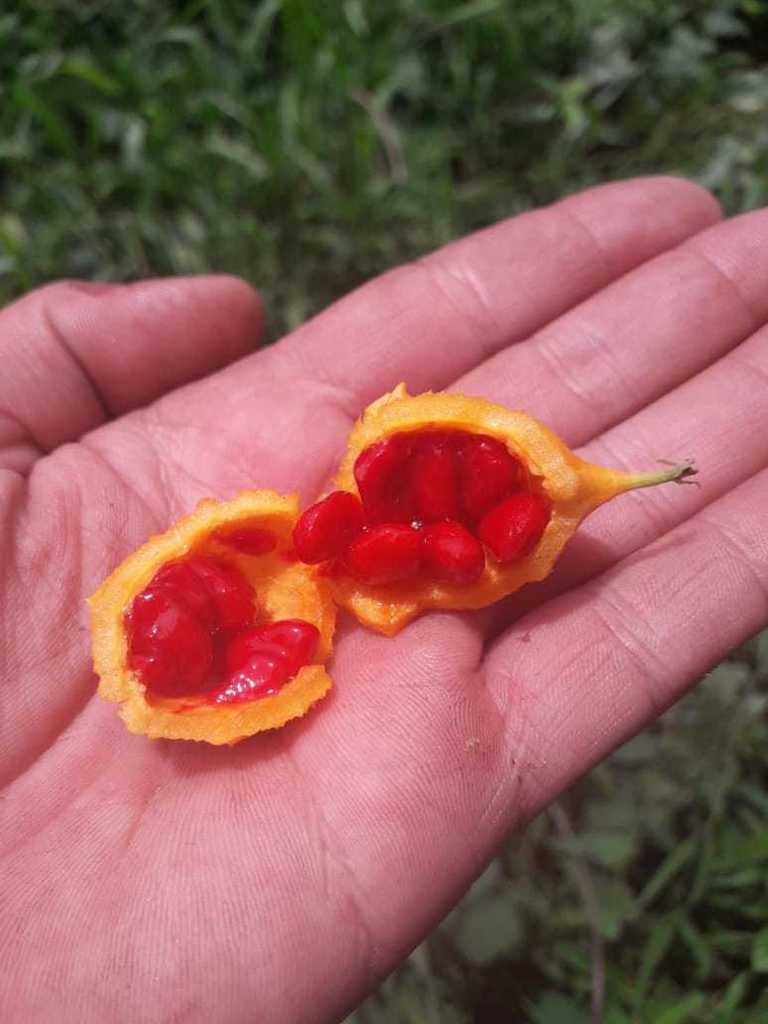
Bitter Melon
- Origin
- Asia
- Part used
- Seeds / fruit, Stem
- Tradition
- Traditional ethnobotany
Bitter melon, or "bitter gourd," has climbed along Asia's trellises for centuries, offering a fruit as green and bumpy as it is bitter to the taste. In the kitchens and traditional pharmacopeia of India, China, and Southeast Asia, it holds a place apart, half vegetable, half remedy. The elders considered it a "cooling" plant, capable of tempering the excesses of the table and the body's heat.
Traditional uses
Traditional digestive support
The bitter fruit was traditionally consumed to stimulate the appetite and aid digestion, particularly after heavy meals.
Traditional use for sugar imbalances
In Asia, bitter melon has long been reputed to help people concerned about their blood sugar balance, although this use today requires rigorous medical monitoring.
Traditional application to the skin
The pulp or stem juice was sometimes applied to the skin to soothe certain irritation or skin conditions, according to South Asian village traditions.
A plant for states of heat
Considered cooling in traditional Asian medicine, it was used during feverish states or feelings of excessive heat.
What to know before use
Strongly contraindicated during pregnancy due to properties traditionally described as emmenagogue and potentially abortifacient. Not suitable for children without prior medical advice. Possible interaction with antidiabetic treatments: strict medical monitoring is essential in cases of concurrent use, as a risk of hypoglycemia exists. The ripe seeds and the red fruit's rind are considered more toxic and should be avoided.
The detailed notebook
- Prepared as a paste or decoction
- Traditional duration of use
- Known contraindications
- Related species and their uses
Where to find it
Partner herbalists — available with the detailed notebook.
Sources
Wikipedia