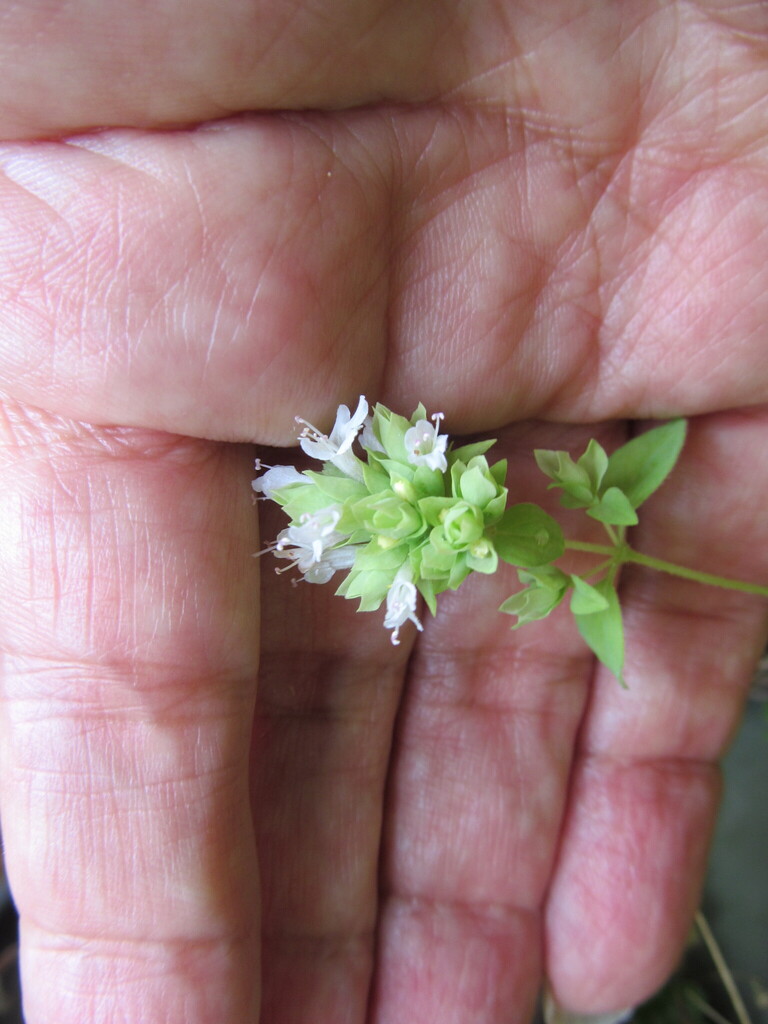
Oregano
- Origin
- Europe
- Part used
- See detailed notebook
- Tradition
- Traditional ethnobotany
Widespread on the dry hillsides and scrubland of the Mediterranean basin, oregano already featured on the tables and in the remedies of the ancients, who held it to be a warming, protective plant. Its name, from the Greek "oros" (mountain) and "ganos" (joy), recalls this old reputation as a plant of light and wellbeing. Herbalists of the past counted it among the household's precious simples, as much in the kitchen as in the tea cupboard.
Traditional uses
Support for digestion
Oregano infusion was traditionally drunk after meals to ease heaviness and bloating.
Airway comfort
Used as an inhalation or tea, oregano traditionally accompanied colds and a sore throat.
Mild calm
An evening oregano tea was sometimes used to encourage relaxation and help with falling asleep.
Care for minor skin irritations
As a compress or wash, concentrated oregano infusion was applied to the skin for its traditional cleansing virtues.
Before you use it
Not advised in concentrated use (essential oil) for pregnant or breastfeeding women without professional guidance. At culinary doses or as a light tea, oregano is generally well tolerated, but prolonged, concentrated use should be supervised. Avoid in young children beyond ordinary culinary use. If taking medication, seek advice before regular therapeutic use.
The detailed notebook
- Prepared as a paste or decoction
- Traditional duration of use
- Known contraindications
- Related species and their uses
Where to find it
Partner herbalists — available with the detailed notebook.
Sources
PFAF