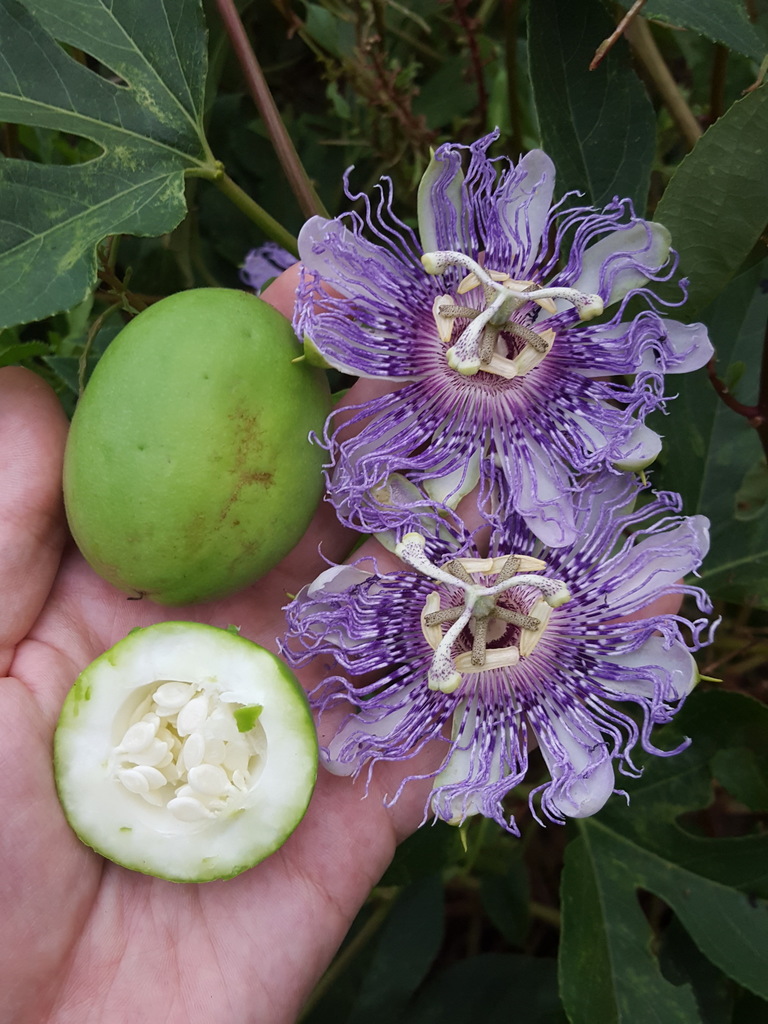
Passionflower
- Origin
- North America
- Part used
- Root
- Tradition
- Traditional ethnobotany
Native to the warm lands of North America, passionflower was already climbing along the settlers' fences when Indigenous peoples credited it with calming virtues. Its singular flowers, crowned with filaments, earned it the name "passion flower," while its underground parts found their place in traditional remedies meant to calm agitated minds.
Traditional uses
Traditional nervous calming
Passionflower root was traditionally used to calm nervousness and promote a more peaceful onset of sleep.
Support in case of spasms
Certain herbalist traditions attributed to it a use for relieving digestive discomfort linked to nervous tension.
Accompanying restlessness
Used in North American folk preparations to accompany states of passing restlessness and irritability.
Traditional use for tension
A traditional use of the root as a decoction is reported for relaxing mild muscular tension linked to stress.
Before you use it
Avoid use during pregnancy or breastfeeding, for lack of sufficient data on the root. Do not combine with sedative, anxiolytic, or anticoagulant treatments without medical advice, owing to possible interactions. Seek the advice of a health professional before any prolonged use, especially in children. Discontinue use in case of excessive drowsiness or an unusual reaction and consult a doctor.
The detailed notebook
- Prepared as a paste or decoction
- Traditional duration of use
- Known contraindications
- Related species and their uses
Where to find it
Partner herbalists — available with the detailed notebook.
Sources
PFAF, Wikipedia