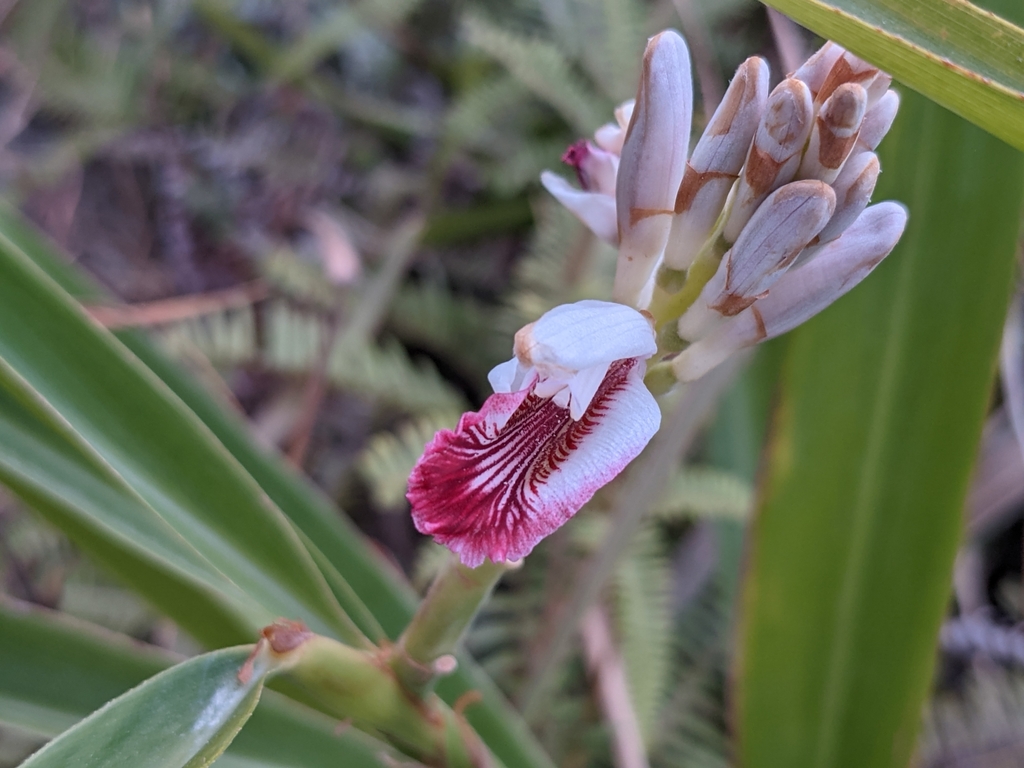
Lesser Galangal
- Origin
- Asia
- Part used
- Root
- Tradition
- Traditional ethnobotany
Coming from the shores of southern China, lesser galangal was long mistaken by Europeans for ginger, so much does its knotty, pungent root share the same vigor. Merchant caravans introduced it to medieval Europe, where it featured among the precious spices of apothecaries. Its very name, derived from the Arabic khalanjan, bears witness to this long journey between East and West.
Traditional uses
Digestive support
The root of lesser galangal was traditionally chewed or infused to soothe heaviness after meals and stimulate a flagging appetite.
Comfort for inner cold
In Chinese and Malay pharmacopeia, it was used to warm and clear the respiratory tract during seasonal colds.
A tonic, warming spice
Considered a warming spice, it traditionally featured in preparations intended to revive circulation and combat the feeling of cold.
A traditional use for the breath
Chewing a piece of dried root was an old practice to freshen the breath and mildly soothe the gums.
What to know before use
A warming, pungent spice: use in moderation, especially in cases of a sensitive stomach or reflux. Not recommended for pregnant or breastfeeding women without the advice of a health professional, for lack of sufficient data. May interact with certain anticoagulant treatments; seek advice if undergoing medication treatment. Avoid in young children, as the traditional use concerns mainly adults.
The detailed notebook
- Prepared as a paste or decoction
- Traditional duration of use
- Known contraindications
- Related species and their uses
Where to find it
Partner herbalists — available with the detailed notebook.
Sources
PFAF, Wikipedia