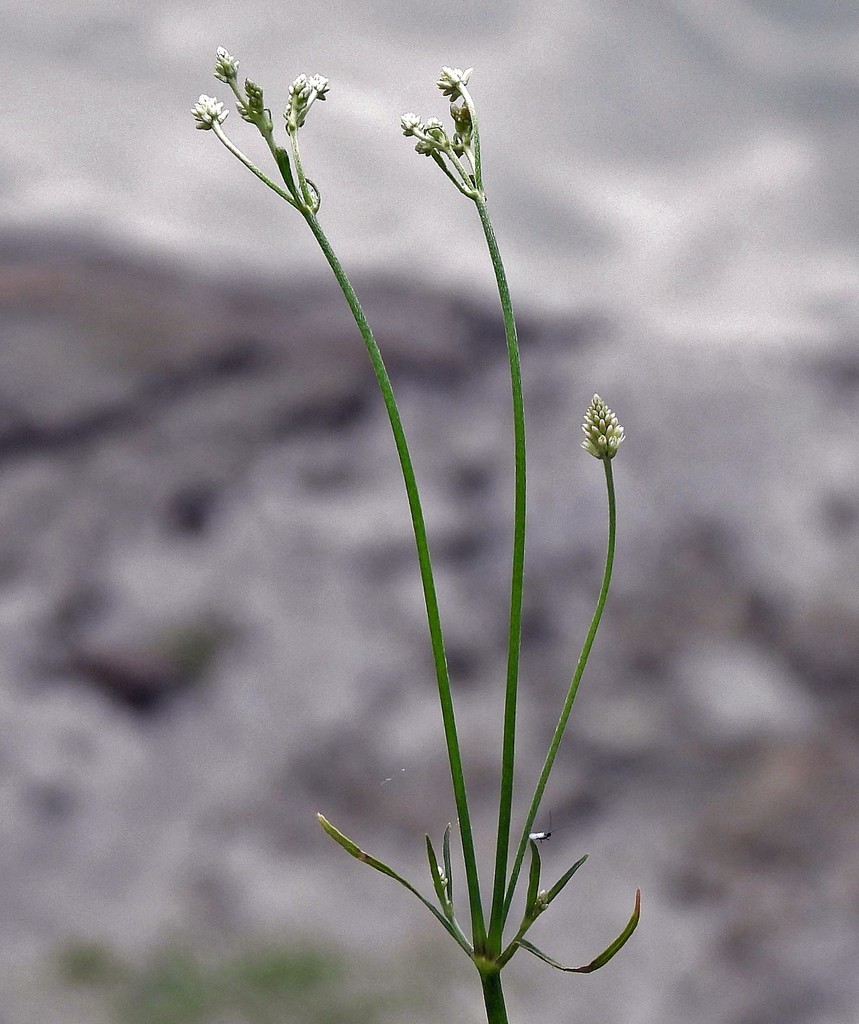
Pfaffia glomerata
- Origin
- South America
- Part used
- See detailed notebook
- Tradition
- Traditional ethnobotany
Native to the lowlands of South America, Pfaffia glomerata has been known for generations as "Brazilian ginseng," both for its tuberous root and the tonic reputation given to it by traditional healers in Brazil. Peoples of the tropical and subtropical regions of South America used it as a fortifier and an ally of general vitality.
Traditional uses
A traditional fortifying root
The root was traditionally chewed or infused to support energy and fight fatigue, in the manner of other so-called adaptogenic roots.
Traditional support for women's balance
In Brazilian folk medicine, the root was sometimes used to accompany troubles linked to the female cycle and menopause.
A traditional appetite stimulant
It was also among the bitter plants used to open the appetite and support sluggish digestion.
A traditional ally of convalescence
Traditionally recommended for weakened or convalescing people, as a general restorative for the body.
What to know before use
Use is discouraged during pregnancy and breastfeeding owing to its traditional use linked to female hormones. Compounds with suspected estrogen-like activity: caution is advised in cases of hormone-dependent history, seek medical advice. Possible interactions with certain medications, particularly hormonal or anticoagulant treatments; consult a health professional before any use. Do not give to children, as traditional use is not documented for this age group.
The detailed notebook
- Prepared as a paste or decoction
- Traditional duration of use
- Known contraindications
- Related species and their uses
Where to find it
Partner herbalists — available with the detailed notebook.
Sources
PFAF