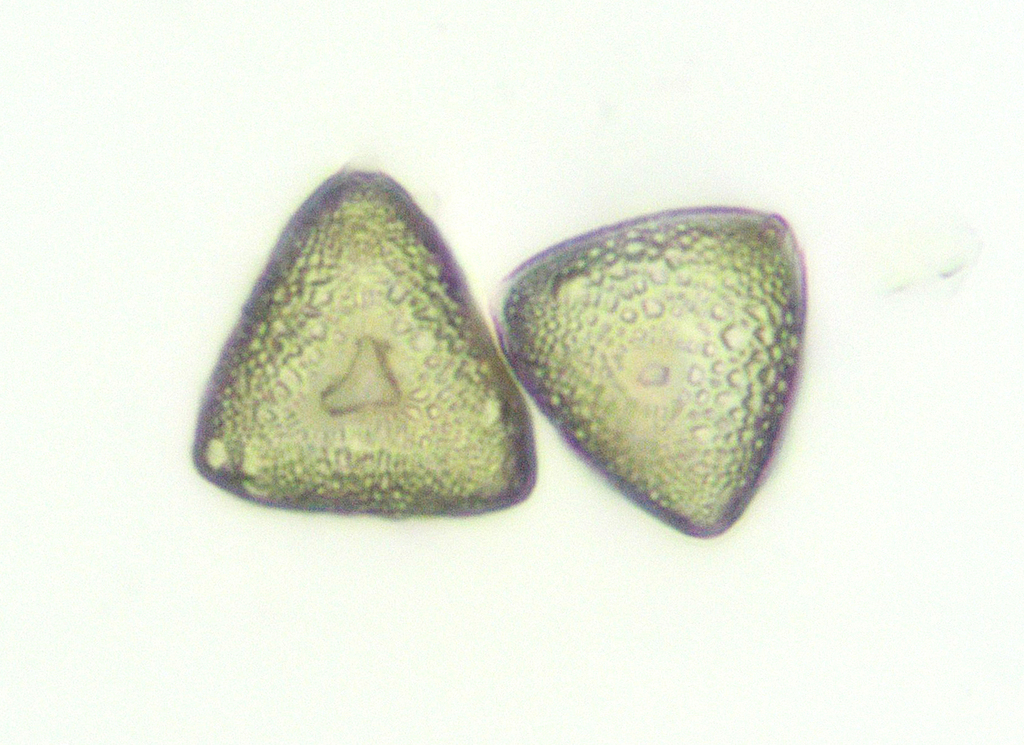
Phormium tenax
- Origin
- Oceania
- Part used
- Leaves
- Tradition
- Traditional ethnobotany
Phormium tenax, also called New Zealand flax, was for the Maori far more than a simple plant: from its long fibrous leaves came cordage, clothing, nets, and baskets, the foundation of a whole material culture. The elders also credited it with certain curative virtues, passed down orally from generation to generation within rongoa traditions.
Traditional uses
Soothing wounds and skin ailments
The gel or sap extracted from the base of the leaves was traditionally applied to wounds, minor burns, and abscesses to help soothe the skin.
Relieving joint pain
Poultices of warmed leaves were placed on painful joints or swollen areas in certain traditional Maori practices.
Traditional use as a purgative
The plant's very bitter sap was sometimes used at a very low dose as a traditional purgative, a use now considered delicate and not documented with precision.
Fibers used in traditional medicine
The braided fibers were also used to make bandages and rudimentary splints to hold injured limbs in place.
Before you use it
The sap of Phormium tenax is reputed to be irritating and potentially toxic when used internally; it must never be ingested without the advice of a qualified professional. Avoid any internal use during pregnancy or breastfeeding, and in young children, in the absence of sufficient safety data. A preliminary skin test is recommended before any local application, as the sap may cause irritation in sensitive skin. As this plant is little studied by modern science, its traditional uses cannot replace medical advice.
The detailed notebook
- Prepared as a paste or decoction
- Traditional duration of use
- Known contraindications
- Related species and their uses
Where to find it
Partner herbalists — available with the detailed notebook.
Sources
PFAF, Wikipedia