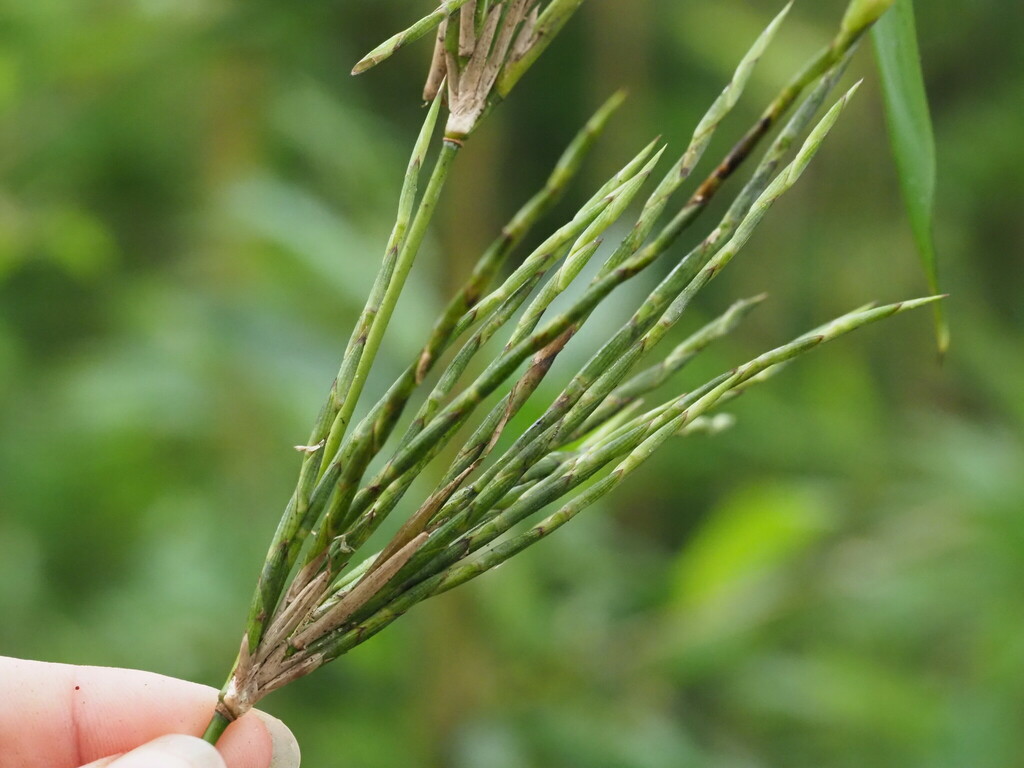
Phyllostachys nigra
- Origin
- Asia
- Part used
- See detailed notebook
- Tradition
- Traditional ethnobotany
Black bamboo, recognizable by its canes that turn ebony with age, holds a discreet but ancient place in the pharmacopeia of the Far East. In China in particular, its leaves and the sap of its young stems have long been used in folk preparations. This entry gathers the traditional uses reported around this giant grass, without therapeutic claims.
Traditional uses
Leaves as a soothing infusion
Black bamboo leaves were traditionally infused to help with mild colds and calm coughing, in the manner of other grasses and bamboos in Chinese folk medicine.
A traditional cooling use
In certain folk traditions, the leaf infusion was consumed as a refreshing drink, reputed to promote good digestion after heavy meals.
A calming evening drink
Black bamboo has sometimes been combined with other plants in evening herbal teas, with a traditional aim of calming, though this use is not specifically documented for this species alone.
A plant of longevity and protection
In East Asia, black bamboo is traditionally associated with symbols of longevity, quiet strength, and protection of the home, more in a cultural than a medicinal dimension.
What to know before use
This entry is historical and informational; it does not replace the advice of a health professional. Raw young shoots contain cyanogenic compounds and must always be cooked before any consumption. Avoid self-medication in pregnant or breastfeeding women, as well as young children, for lack of sufficient data. If undergoing medication treatment, seek advice before any prolonged internal use.
The detailed notebook
- Prepared as a paste or decoction
- Traditional duration of use
- Known contraindications
- Related species and their uses
Where to find it
Partner herbalists — available with the detailed notebook.
Sources
PFAF