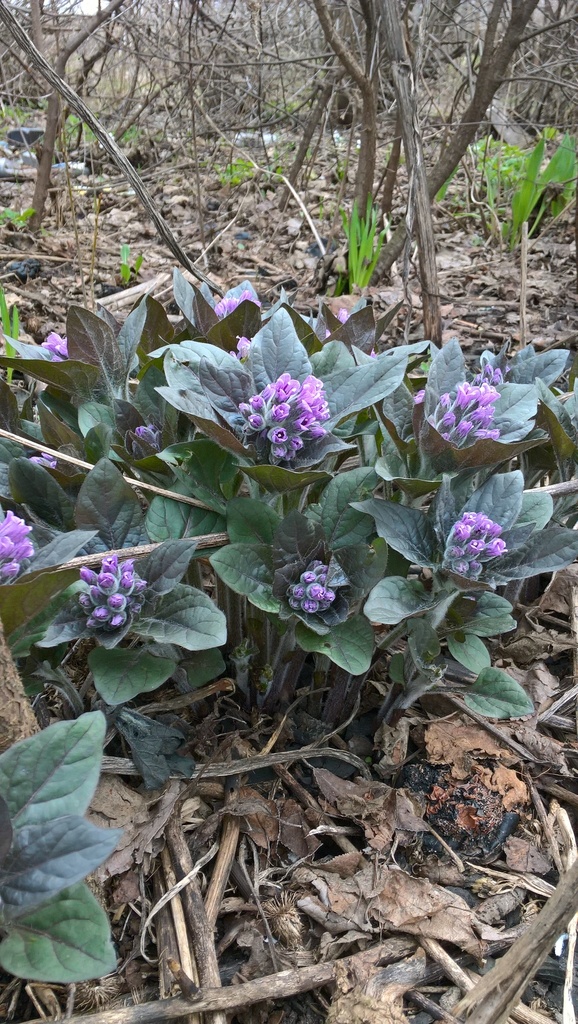
Physochlaina
- Origin
- Asia
- Part used
- Seeds / fruit, Root
- Tradition
- Traditional ethnobotany
In the old pharmacopeia of Central Asia and China, Physochlaina features among the discreet but valued Solanaceae, cousins of belladonna and henbane. Roots and seeds were entrusted to herbalists to soothe stubborn coughs and calm certain pains, within a knowledge passed down with great caution.
Traditional uses
Dry cough and bronchial ailments
The root was traditionally used as a light decoction to soothe persistent coughs and promote expectoration during seasonal colds.
Relief of diffuse pain
The seeds and root were used in preparations intended to calm certain joint or spasmodic pain, according to uses reported in Central Asian traditional medicine.
Relief of old-time asthma
In certain traditions, the plant was combined with other remedies to relieve asthma-type breathing difficulties, due to its properties similar to other Solanaceae known for their action on the respiratory tract.
External use against muscle tension
A root-based preparation was sometimes applied as a poultice to locally relieve muscle tension or stiffness.
What to know before use
Physochlaina belongs to the Solanaceae family and contains tropane alkaloids (similar to those of henbane and belladonna) potentially toxic at an unsuitable dose. Use strictly discouraged without the supervision of a professional qualified in herbal medicine or traditional medicine. Contraindicated in pregnant or breastfeeding women, in children, and if undergoing medication treatment (risk of interactions). Never consume the seeds or root raw or in an uncontrolled preparation: the margin between the traditional dose and the toxic dose is narrow.
The detailed notebook
- Prepared as a paste or decoction
- Traditional duration of use
- Known contraindications
- Related species and their uses
Where to find it
Partner herbalists — available with the detailed notebook.
Sources
Wikipedia