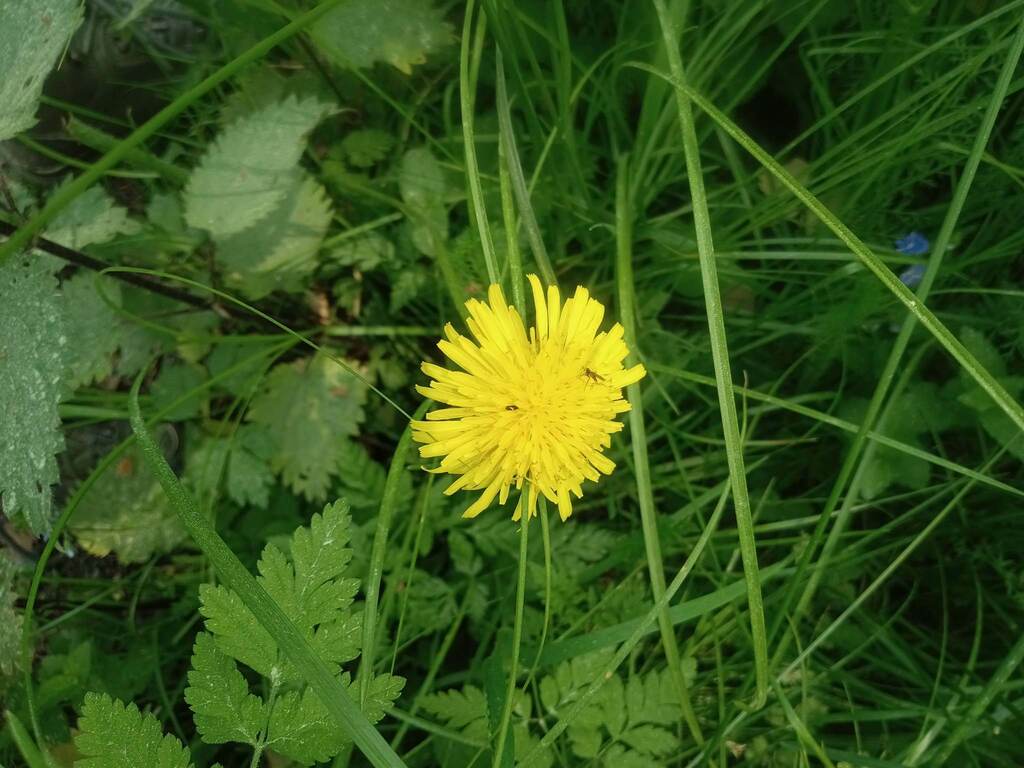
Pilosella officinarum
- Origin
- Europe
- Part used
- See detailed notebook
- Tradition
- Traditional ethnobotany
Unassuming among the plants of embankments and dry meadows, mouse-ear hawkweed was long nicknamed "hawkweed," as the old herbalists believed hawks sharpened their sight on it. Europe's folk herbalists have long credited it with benefits for the urinary tract and digestion, ranking it among the everyday simples of the family garden.
Traditional uses
Support for digestion
Mouse-ear hawkweed was traditionally infused to help with slow digestion and a feeling of heaviness after meals.
Traditional urinary comfort
Long recognized as a friend to the kidneys, it was taken as a tea to promote urinary elimination and support the body's drainage.
Folk liver support
In folk use, mouse-ear hawkweed also supported liver and gallbladder function, often combined with other bitter plants.
Soothing for the airways
Some herbalist notebooks mention its rarer use as a gargle or infusion to soothe an irritated throat.
Before you use it
Discouraged in case of diuretic or blood-pressure-lowering treatment without the advice of a health professional, because of its draining effect. As a precaution, to be avoided in pregnant or breastfeeding women, for lack of sufficient data. Do not exceed the traditional doses indicated or extend use without professional advice. In case of kidney or heart problems, or ongoing treatment, seek the advice of a doctor or pharmacist before any use.
The detailed notebook
- Prepared as a paste or decoction
- Traditional duration of use
- Known contraindications
- Related species and their uses
Where to find it
Partner herbalists — available with the detailed notebook.
Sources
Wikipedia