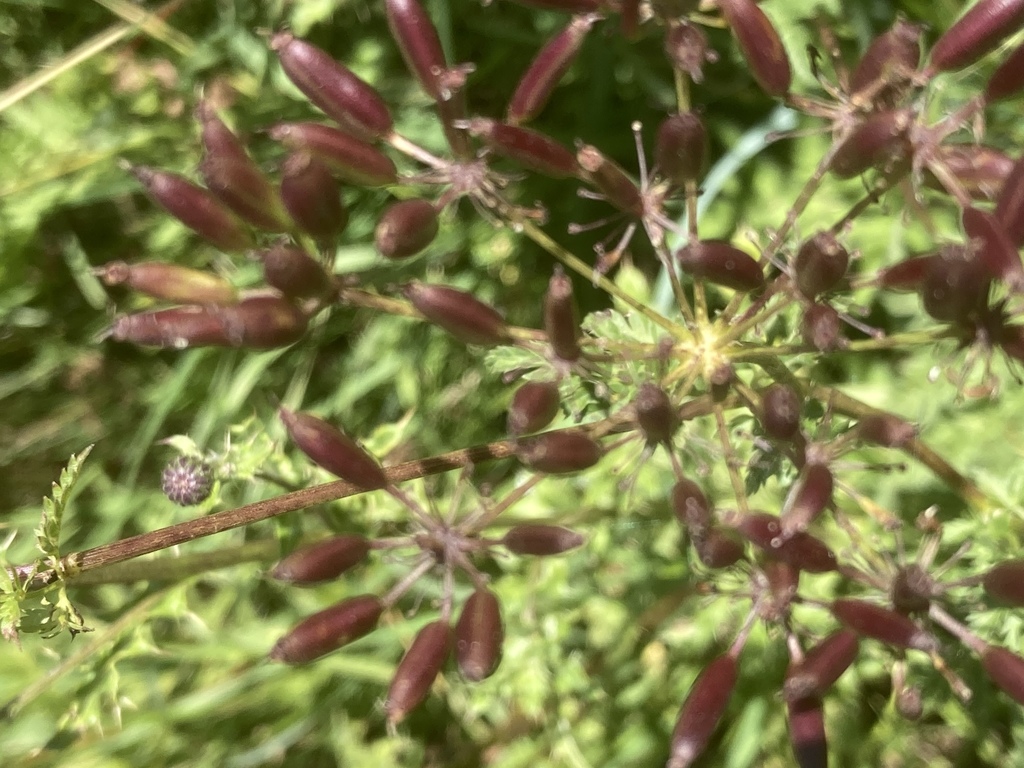
Pimpinella anisum
- Origin
- Europe
- Part used
- See detailed notebook
- Tradition
- Traditional ethnobotany
Anise has accompanied people since ancient Egyptian and Greek times, when its fragrant seeds were already prized for sweetening meals and soothing stomach troubles. In the gardens and kitchens of Europe, this warm, sweet-scented umbellifer long held a place of honor in the family remedy cabinet, somewhere between spice and medicinal plant.
Traditional uses
Digestive comfort after meals
Anise seeds were traditionally infused to relieve bloating, heaviness, and difficult digestion.
Support for the airways
Anise has long been among the plants used to accompany minor respiratory discomfort and soothe the throat.
Support for women's cycles
In certain folk traditions, anise was used to promote lactation and ease discomfort related to the cycle.
Soothing evening tea
Its sweet flavor and calming use made it a tea readily offered at the end of the day to support relaxation.
Before you use it
Not recommended in concentrated form (essential oil) for pregnant or breastfeeding women without a healthcare professional's advice. To be used with caution in young children, favoring light infusions. Possible interaction with certain hormonal treatments: seek advice during ongoing treatment. Do not confuse with star anise (Illicium verum), which is botanically distinct and subject to different precautions.
The detailed notebook
- Prepared as a paste or decoction
- Traditional duration of use
- Known contraindications
- Related species and their uses
Where to find it
Partner herbalists — available with the detailed notebook.
Sources
PFAF, PubMed