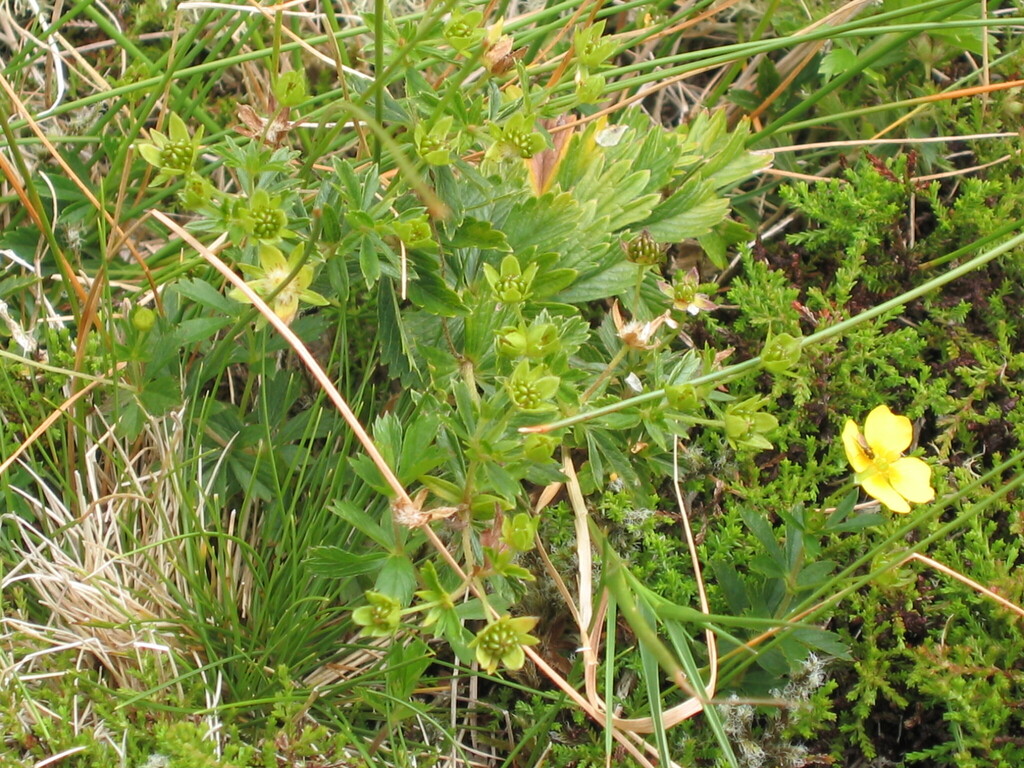
Potentilla erecta
- Origin
- Europe
- Part used
- See detailed notebook
- Tradition
- Traditional ethnobotany
An unassuming resident of Europe's moors and damp meadows, tormentil (Potentilla erecta) was long regarded by herbalists as one of the continent's most powerful astringent plants. Its knotty, tannin-rich rhizome once accompanied rustic households in relieving everyday ailments, from digestive troubles to skin care.
Traditional uses
Easing intestinal upset
The rhizome, traditionally made into a decoction, was used to calm occasional diarrhea and digestive discomfort, owing to its high content of astringent tannins.
Mouthwashes and gargles
As a decoction, tormentil served as a traditional gargle to soothe sensitive gums, minor mouth inflammation, and sore throats.
Care for minor skin wounds
Applied as a compress, the rhizome decoction was used to tighten tissue and cleanse minor wounds or superficial skin irritation.
Traditional use for excessive discharge
The old herbalists report a use of tormentil to help moderate certain excessive flows, always as internal preparations taken in measured doses.
Before you use it
Avoid prolonged internal use beyond a few days without professional advice, because the high tannin content can irritate the digestive system in the long run. Not recommended without medical advice for pregnant or breastfeeding women, for lack of sufficient data. Discouraged for internal use in young children. In case of persistent constipation or severe digestive trouble, stop use and consult a health professional.
The detailed notebook
- Prepared as a paste or decoction
- Traditional duration of use
- Known contraindications
- Related species and their uses
Where to find it
Partner herbalists — available with the detailed notebook.
Sources
PFAF, Wikipedia