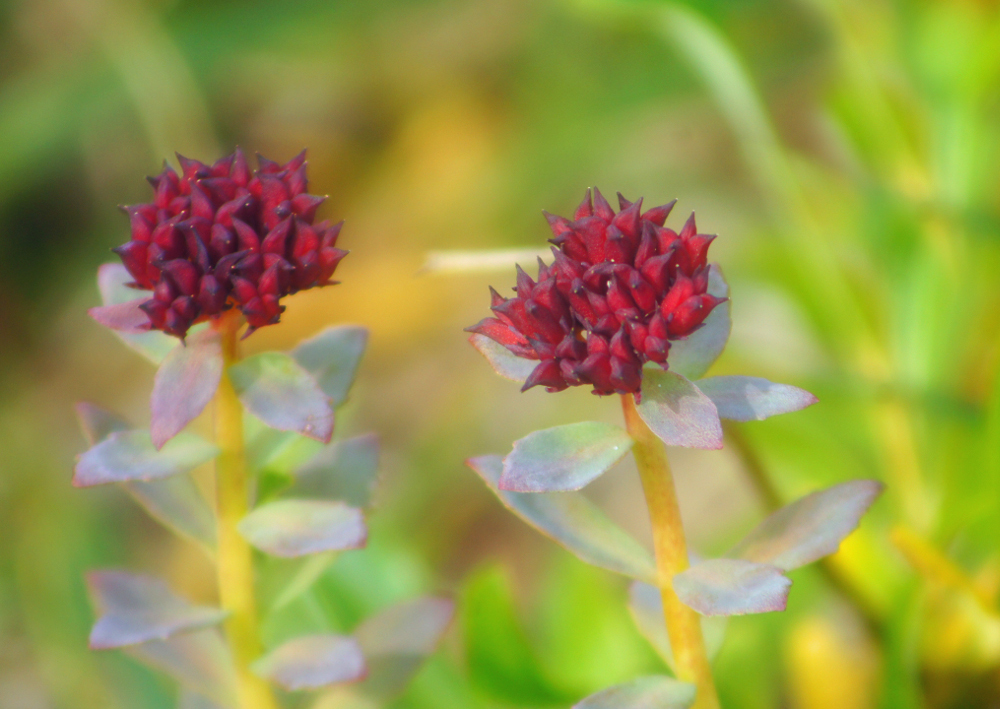
Rhodiola
- Origin
- Asia
- Part used
- See detailed notebook
- Tradition
- Traditional ethnobotany
Born in the rocky, cold soils of Siberia, the Caucasus, and the Scandinavian highlands, rhodiola was reputed among Nordic and Asian peoples to restore vigor to body and mind after the ordeal of cold or fatigue. It is said that the Vikings carried it on their voyages, and that Siberian healers traded its roots like a treasure. It belongs to that family of plants that herbalists today call "adaptogens," a modern term for ancient wisdom.
Traditional uses
Support against nervous fatigue
Rhodiola root was traditionally used to help the body better withstand periods of prolonged stress and overwork.
A renewal of vitality and endurance
In Siberian and Scandinavian traditions, it was used to support physical energy and resistance to exertion, particularly at altitude or in severe cold.
Support for intellectual alertness
Central Asian healers attributed to rhodiola the ability to sharpen attention and delay the feeling of mental fatigue during demanding tasks.
Aid for recovery after exertion
It traditionally helped with periods of convalescence or recovery following intense physical exertion.
What to know before use
Not recommended without medical advice for pregnant or breastfeeding women, for lack of sufficient safety data. May interact with certain treatments, particularly antidepressants and anticoagulants; seek the advice of a health professional if undergoing treatment. Avoid in cases of bipolar disorder or a history of severe anxiety disorder, as the plant may have a stimulating effect. Consumption late in the day is generally not recommended due to its tonic effect, which can disrupt falling asleep.
The detailed notebook
- Prepared as a paste or decoction
- Traditional duration of use
- Known contraindications
- Related species and their uses
Where to find it
Partner herbalists — available with the detailed notebook.
Sources
Wikipedia